
Chickpeas – Health Benefits, Nutrition, & Side Effects
A humble legume with everyday value
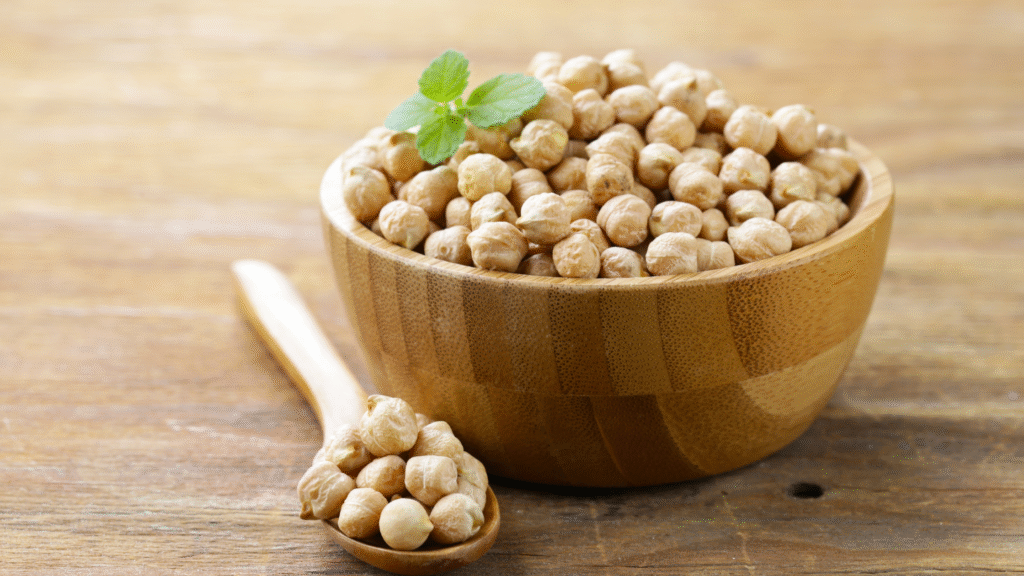 Chickpeas have been a trusted part of daily meals across many cultures for centuries. Known for their nutty taste and firm texture, they fit easily into home cooking as well as modern food choices. From simple curries to salads and snacks, chickpeas bring both comfort and nourishment to the plate.
This legume is valued not just for taste but also for how filling and versatile it is. Whether cooked slowly or prepared quickly, chickpeas adapt well to different cooking styles, making them a regular ingredient in kitchens around the world.
Common ways chickpeas are used
Chickpeas are enjoyed in many forms. Whole chickpeas are cooked into curries, stews, and dry preparations. They are also roasted for snacks or blended into spreads and  dips. In many households, chickpeas are soaked overnight and cooked the next day as part of regular meals.
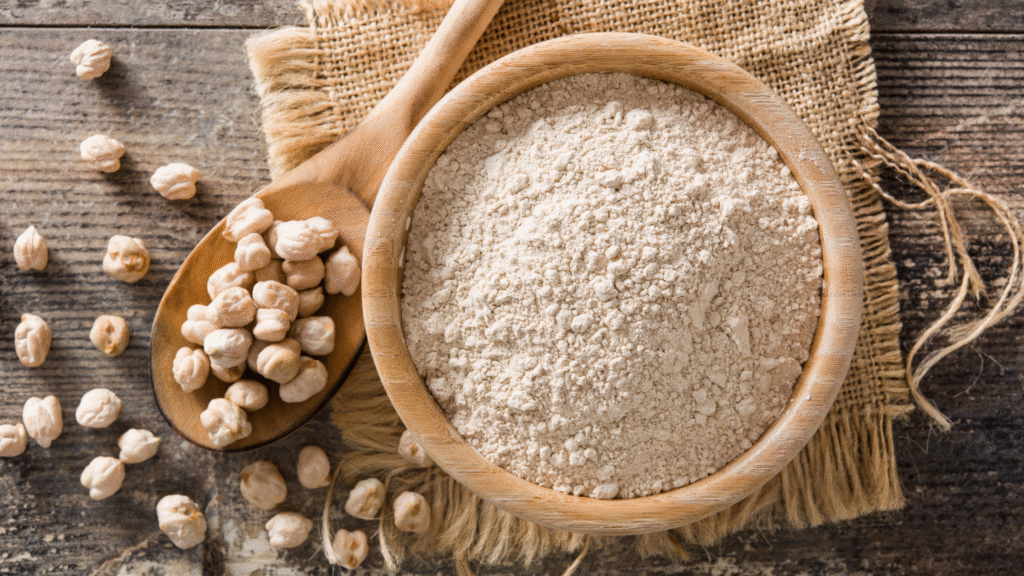
Flour made from chickpeas is another popular option. It is used in batters, flatbreads, and traditional snacks. Because chickpeas absorb flavours well, they pair nicely with spices, herbs, and vegetables without losing their own character.
Why Chickpeas Are a Staple Food
Chickpeas are affordable, filling, and easy to store. They can be used in dried, soaked, boiled, roasted, or ground form, depending on the recipe. Their mild, nutty flavor 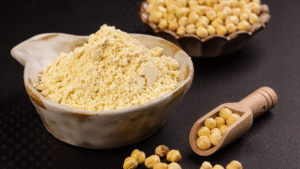 allows them to blend easily with spices and vegetables without overpowering a dish.
Because chickpeas are plant-based and rich in nutrients, they are often chosen by people looking for balanced meals that provide sustained energy and fullness.
Nutritional Profile of Chickpeas
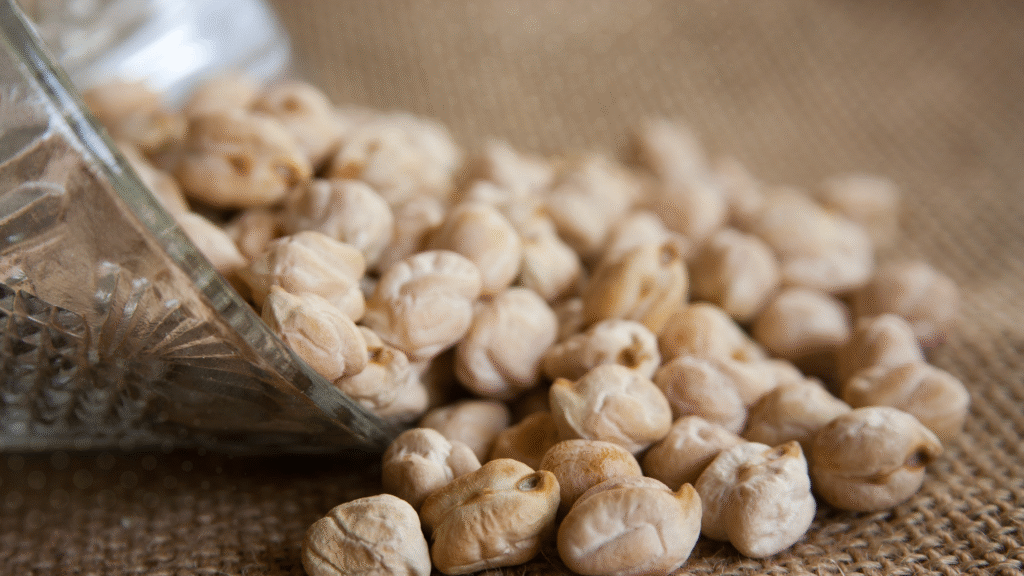 Chickpeas contain a strong combination of plant protein, complex carbohydrates, dietary fiber, and essential minerals. They also provide small amounts of vitamins that support daily metabolic functions.
Their fiber content helps slow digestion, which supports steady energy levels and prevents sudden hunger. The protein in chickpeas helps support muscle strength and overall body repair.
Common Culinary Uses of Chickpeas
Chickpeas are extremely versatile. They are used in traditional dishes like chana masala, stews, and soups. Roasted chickpeas are popular as a crunchy snack, while mashed 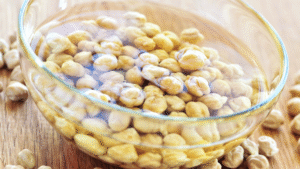 chickpeas are used in spreads and fillings.
They also appear in ready-to-cook and processed food formats alongside frozen vegetables in modern kitchens. Chickpeas are often paired with fresh fruits in salads and bowls to create balanced meals that combine taste and nutrition. In many diets, chickpeas form an important part of everyday meals built around fruits and vegetables.
Possible Side Effects of Chickpeas
While chickpeas are generally safe, excessive consumption may cause digestive discomfort in some people. Common issues include gas or 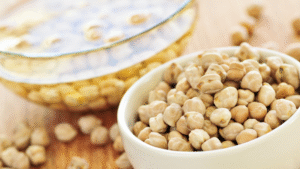 bloating, especially when chickpeas are not soaked or cooked properly.
Raw or undercooked chickpeas should not be consumed, as they may be difficult to digest. People new to high-fiber foods should introduce chickpeas gradually into their diet.
Moderation and proper preparation help prevent most side effects.
Who Should Be Careful
 People with sensitive digestion or specific legume allergies should be cautious. Those with medical conditions related to digestion should consult a healthcare professional before significantly increasing intake.
Soaking chickpeas overnight and cooking them thoroughly makes them easier to digest and reduces discomfort.
Chickpeas in Modern Food Systems
Chickpeas play an important role in global food supply due to their long shelf life and nutritional value. They are used in household cooking, food processing, 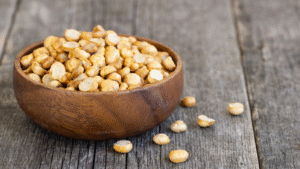 and international trade. Chickpeas are often included in processed foods alongside frozen vegetables to meet modern convenience needs. They also complement fresh fruits in health-focused meal planning. As awareness grows around balanced diets built on fruits and vegetables, chickpeas continue to gain importance worldwide.
Vipra Overseas and the Export of Agro Products
 Vipra Overseas plays a key role in connecting Indian agricultural produce with global markets. The company supports the export of fresh fruits, fresh vegetables, beans, frozen products, spices, and grains, ensuring quality at every stage. From sourcing produce directly from farmers and conducting strict quality checks to export-grade packaging and coordinated international logistics, Vipra Overseas ensures agro products reach overseas buyers in excellent condition. This dependable export network helps legumes like chickpeas reach international markets while maintaining quality and consistency.
How to Include Chickpeas Safely in Daily Meals
Chickpeas can be included in meals a few times a week as part of a balanced diet. Soaking dried chickpeas overnight and cooking them well 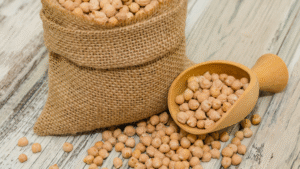 improves digestibility. Using spices and herbs also helps reduce bloating.
Start with small portions and increase gradually to allow the body to adjust.
Why Chickpeas Remain a Trusted Food
Chickpeas have stood the test of time because they are nourishing, affordable, and adaptable. They support digestion, energy, and overall balance without complexity. Their ability to fit into both traditional and modern diets keeps them relevant across cultures.
Conclusion
Chickpeas are more than just a pantry ingredient. They provide steady energy, support digestion, help maintain heart comfort, and contribute to overall nutrition. When prepared properly and consumed in moderation, chickpeas offer long-term health benefits with minimal side effects.
With rising global demand and strong export support from companies like Vipra Overseas, chickpeas continue to travel from farms to kitchens around the world—supporting healthy meals and sustainable food systems everywhere.