
How to Identify the Real Alphonso Mango
A spice that shapes everyday cooking
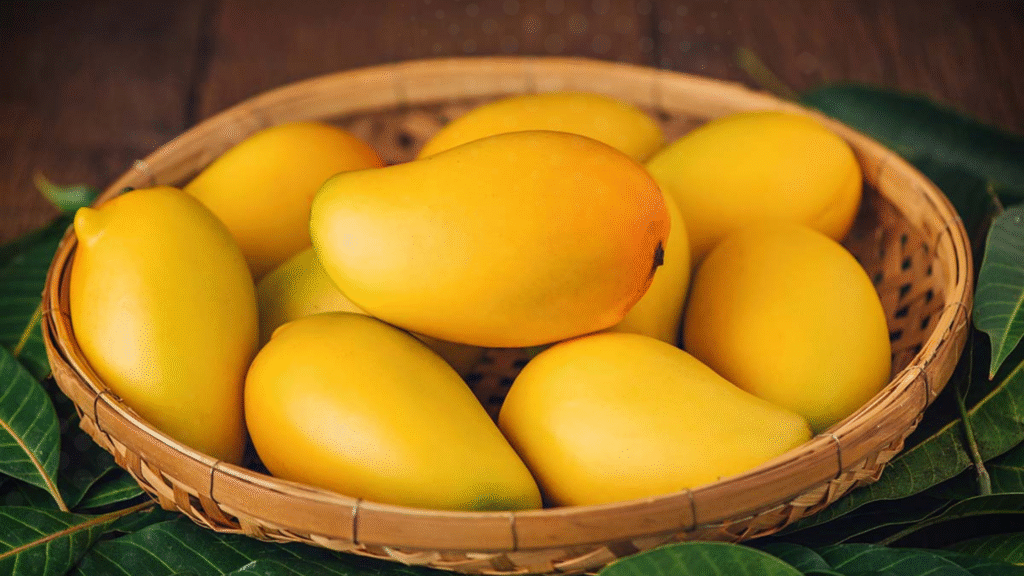 Alphonso mango is often called the king of mangoes, and for good reason. Its rich aroma, smooth texture, and balanced sweetness set it apart from other varieties. However, because of its popularity and premium value, the market is filled with mangoes falsely sold as Alphonso. Many buyers struggle to tell the difference between the genuine fruit and lookalike varieties. Knowing how to identify the real Alphonso mango helps ensure you get the true taste and quality this variety is known for.
Understanding the Origin of Alphonso Mango
The authentic Alphonso mango originates from the coastal regions of western India, especially areas known for their specific soil and climate conditions. These natural  factors play a key role in developing the fruit’s unique aroma and flavor.
True Alphonso mangoes are typically grown in orchards that follow careful cultivation methods passed down through generations. The fruit’s identity is closely linked to where and how it is grown, making origin one of the first indicators of authenticity.
Distinctive Shape and Size
One of the easiest ways to identify a real Alphonso mango is by its shape. It has a slightly oval form with broad shoulders near the stem. Unlike some other mango 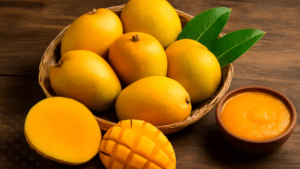 varieties, Alphonso mangoes do not have a pointed tip.
The size is usually medium, not too large or too small. Extremely large mangoes marketed as Alphonso are often other varieties.
Natural Skin Color and Texture
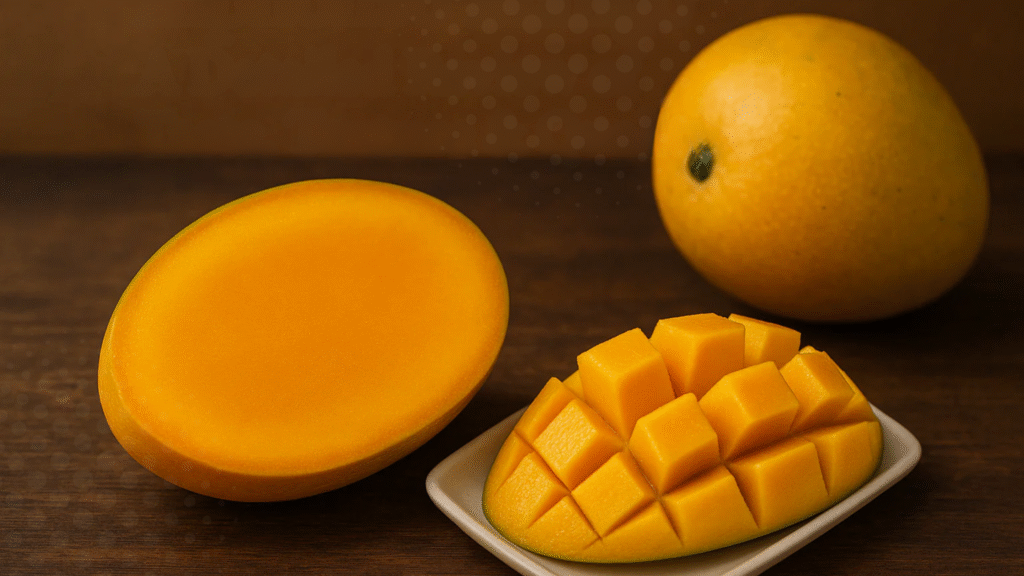
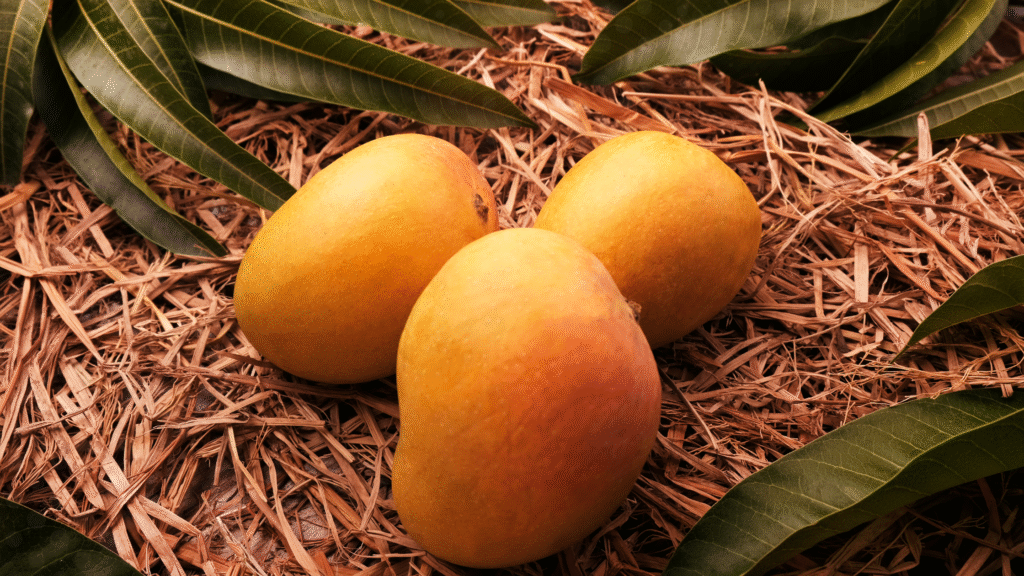 A real Alphonso mango has a golden-yellow skin when ripe, often with a light saffron or orange tint. Some fruits may have small dark spots on the skin, which are natural and harmless.
Perfectly smooth, glossy skin without any marks can be a warning sign. Artificial ripening or polishing is often used on non-Alphonso mangoes to mimic the premium look.
Strong, Pleasant Aroma
The aroma of Alphonso mango is one of its strongest identifiers. Even before cutting, a ripe Alphonso releases a 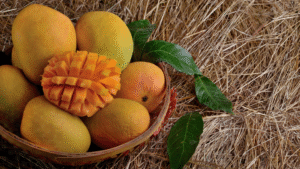 rich, sweet fragrance that is hard to miss.
If a mango lacks aroma or smells faint despite looking ripe, it is unlikely to be a true Alphonso. Artificial ripening may change the color but cannot recreate the natural scent.
Pulp Color and Texture
Once cut open, a real Alphonso mango reveals deep saffron-colored pulp. The texture is smooth, creamy, and almost fiberless. This silky consistency is a key reason Alphonso mango 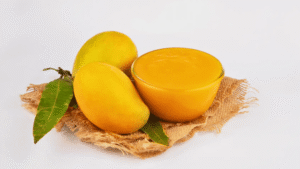 is preferred for desserts, shakes, and purees.
If the pulp appears pale, watery, or fibrous, it may be a different mango variety being sold under the Alphonso name.
Taste Profile
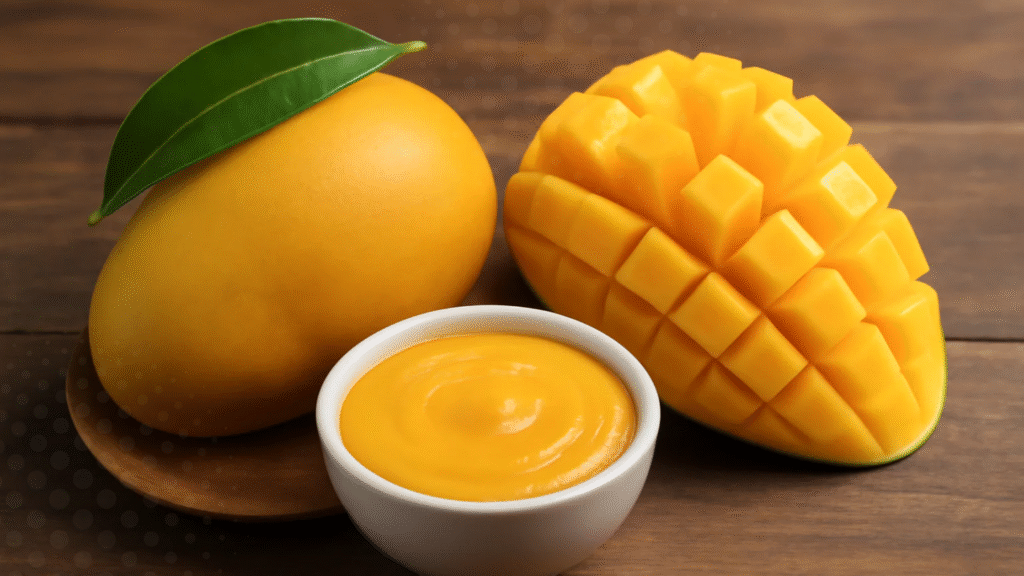 Authentic Alphonso mango offers a balanced flavor that combines sweetness with a mild tang. It is rich without being overly sugary and leaves a lingering taste on the palate.
Mangoes that taste extremely sweet or bland often do not belong to this variety. True Alphonso mango has depth and complexity in flavor.
Seed Size and Shape
The seed of an Alphonso mango is relatively small and flat compared to the size of the fruit. This 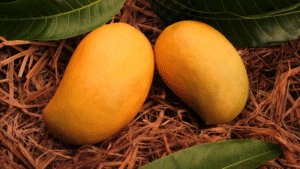 means more edible pulp and less waste.
Large, thick seeds usually indicate other mango varieties that are sometimes mislabeled.
Season and Availability
Real Alphonso mangoes have a specific harvest season and are not available year-round. If Alphonso mangoes are 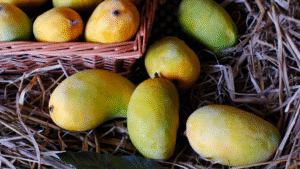 being sold far outside their natural season, it raises questions about authenticity.
Buyers should be cautious of year-round availability claims, as genuine Alphonso mangoes are seasonal by nature.
Farming and Quality Practices
 Genuine Alphonso mangoes are often grown using careful methods that protect soil health and fruit quality. Many orchards now follow sustainable farming practices to preserve long-term productivity. Traditional agriculture farming knowledge combined with responsible methods helps maintain the fruit’s premium quality. Some regions also emphasize sustainable agriculture practices to ensure consistent harvests without harming the environment.
Vipra Overseas and Export of Alphonso Mangoes
 Vipra Overseas plays an important role in delivering premium Indian produce to global markets. The company supports the export of fresh fruits, fresh vegetables, beans, frozen products, spices, and grains, ensuring strict quality checks at every stage. From sourcing directly from trusted growers to export-grade packaging and international logistics coordination, Vipra Overseas ensures authentic Indian produce reaches overseas buyers in excellent condition. This careful handling helps preserve the true quality of Alphonso mangoes and other agro products for international markets.
Common Mistakes Buyers Should Avoid
Many buyers rely only on color or size, which can be misleading. Artificial ripening, polishing, and labeling tricks are commonly used to pass 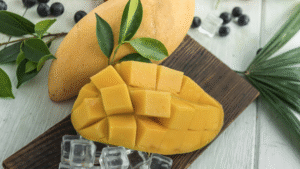 off other mango varieties as Alphonso.
Trusting the seller, checking aroma, examining pulp quality, and understanding seasonality together provide a more accurate way to identify the real fruit.
Why Identifying the Real Alphonso Matters
Authentic Alphonso mango offers a unique eating experience that justifies its premium value. Supporting genuine growers also encourages responsible farming and helps protect the reputation of Indian mangoes worldwide.
By learning to identify the real Alphonso mango, buyers ensure quality, taste, and value with every purchase.
Conclusion
The real Alphonso mango stands apart because of its origin, aroma, texture, and flavor. Identifying it requires attention to several small but important details, from shape and color to taste and seasonality. With growing awareness and reliable export partners like Vipra Overseas, authentic Alphonso mangoes continue to reach both domestic and global markets with their true quality intact. Knowing how to spot the real fruit allows buyers to enjoy the genuine taste of one of the world’s most celebrated mango varieties.