
 Carrot farming is valued for its simplicity, steady demand, and wide adaptability across regions. Carrots are used daily in homes, restaurants, food processing units, and export markets, making them a reliable crop for farmers. With proper planning and attention to soil, climate, and timing, carrot farming can deliver consistent yields and good quality produce. This guide explains the complete process of carrot cultivation, from land preparation to harvest, in a practical and easy-to-follow manner.
Understanding the Right Climate and Soil
 Carrots grow best in cool to moderate temperatures. Extremely high heat affects root development, while frost can damage young plants. A mild climate allows the roots to develop evenly and achieve good color and sweetness.
Loose, well-drained soil is essential for carrot farming. Sandy loam soil works best because it allows the roots to grow straight and smooth. Heavy clay soil restricts root growth and often results in misshapen carrots. The soil should be free from stones, hard clods, and crop residues before planting.
Land Preparation for Healthy Roots
Good land preparation is the foundation of quality carrot production. The field should be ploughed  deeply to loosen the soil and remove any obstacles that may block root growth. Fine tilth is important so that seeds can germinate easily.
Organic manure or well-decomposed compost can be mixed into the soil during preparation. This improves soil texture and supports early plant growth. Raised beds are often recommended in areas where water drainage is a concern.
Seed Selection and Sowing
Choosing good quality seeds is critical for uniform growth. Certified seeds with high 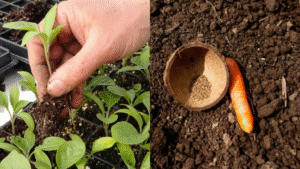 germination rates help ensure better plant stand and consistent root size.
Carrot seeds are small and should be sown shallowly. Line sowing is preferred because it allows proper spacing and makes weeding easier. After sowing, light irrigation helps seeds settle into the soil and begin germination.
Spacing and Thinning
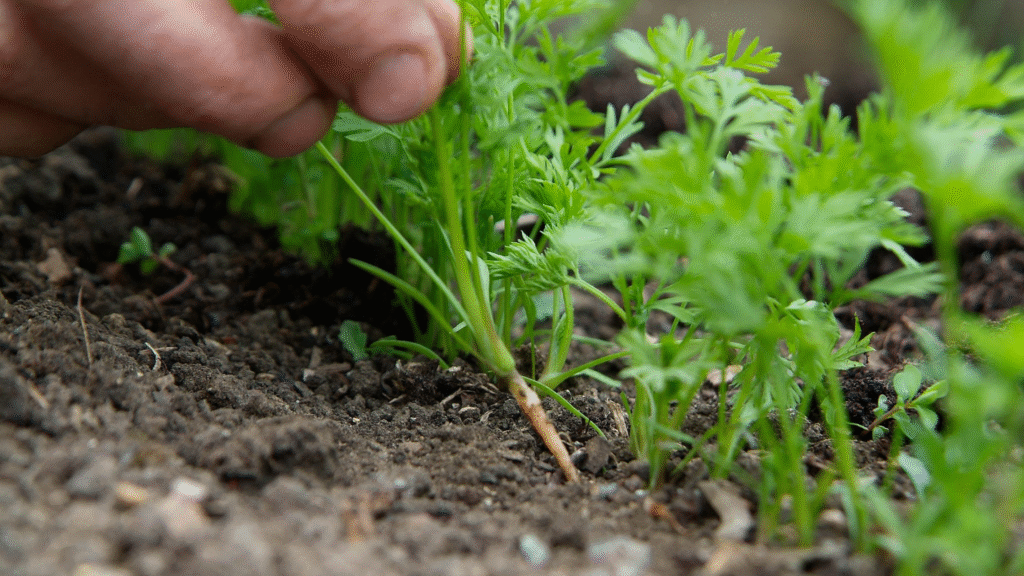 Proper spacing allows each carrot to grow without competition. Overcrowding leads to thin, underdeveloped roots. Thinning should be done once seedlings reach a manageable size. This ensures enough space for each plant to develop a healthy root.
Good airflow between plants also helps reduce disease risk and supports overall plant health.
Water Management
Carrots require regular but controlled watering. Too little water results in 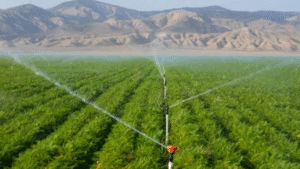 hard and bitter roots, while excess water can cause cracking and rotting.
Irrigation should be light and frequent during early growth. As roots develop, watering can be adjusted based on soil moisture. Maintaining even moisture levels throughout the growing period is key to producing smooth and sweet carrots.
Nutrient Management
Carrots respond well to balanced nutrition. Excess nitrogen should 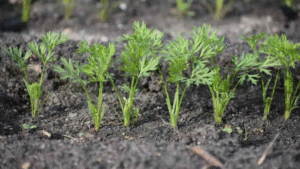 be avoided, as it promotes leaf growth at the expense of root development. Phosphorus supports root formation, while potassium improves color and firmness.
Natural soil enrichment methods help maintain long-term fertility. Carrot farming benefits from crop rotation, which reduces pest buildup and keeps soil healthy.
Weed, Pest, and Disease Control
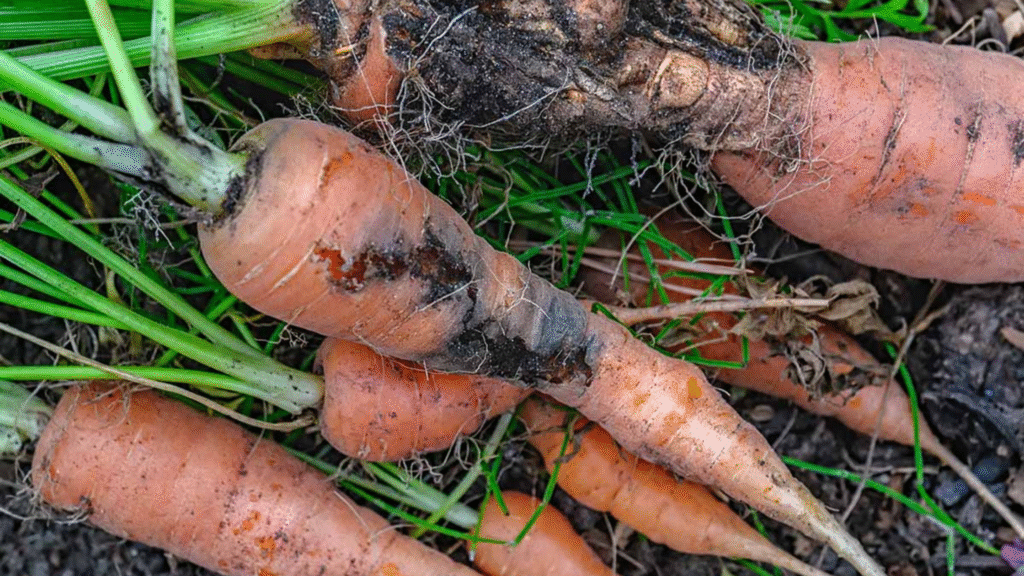 Weeds compete directly with carrots for nutrients and water, especially during the early stages. Manual weeding or light mechanical tools help keep the field clean.
Common pests include root flies and aphids, while fungal diseases may appear under high moisture conditions. Regular field monitoring and clean farming practices help prevent major losses. Maintaining proper spacing and avoiding overwatering reduces disease pressure naturally.
Harvesting at the Right Time
Carrots should be harvested when they reach the desired size and  color. Delayed harvesting can make roots woody and reduce sweetness. Harvesting is easier when soil moisture is slightly moist, as roots can be pulled out without breaking.
After harvest, carrots should be cleaned carefully and stored in cool conditions to maintain freshness.
Post-Harvest Handling and Storage
Proper handling after harvest protects quality and market value.  Damaged or cracked roots should be separated. Clean, uniform carrots fetch better prices in both local and export markets.
Cold storage helps extend shelf life and maintain color and texture. Efficient post-harvest handling ensures that carrots reach consumers in good condition.
Carrot Farming in the Modern Market
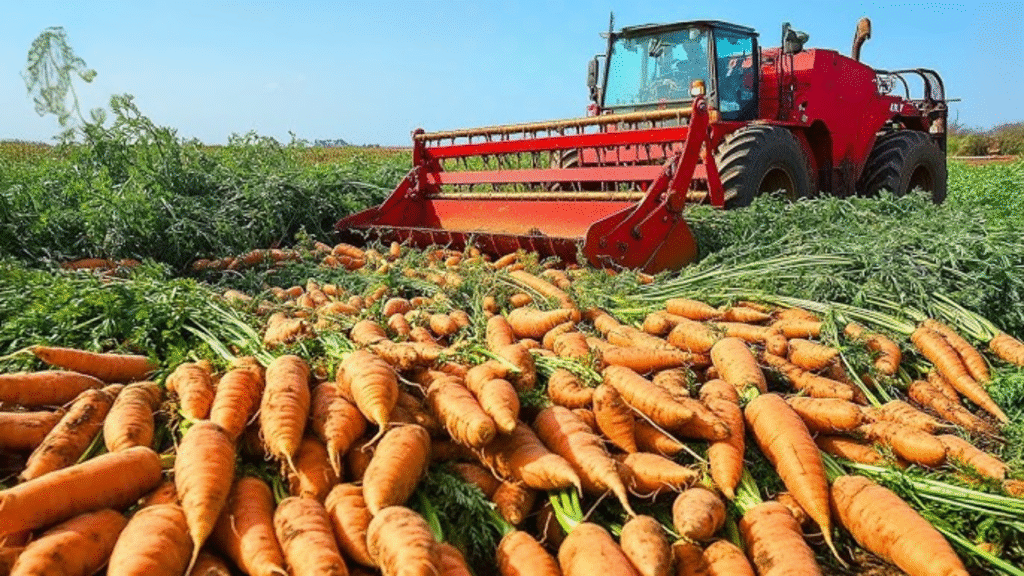 Carrots are now an important part of diversified food systems that combine fruits and vegetables in daily diets. They are commonly used alongside produce like mangoes india in household consumption and processing units. The crop also fits well into mixed produce categories such as vege fruit supply chains, which cater to modern retail and export demand. Regions like indore have shown increasing interest in vegetable cultivation due to favorable growing conditions and market access.
Vipra Overseas and the Export of Agro Products
 Vipra Overseas plays an important role in supporting Indian farmers by connecting them with global markets. The company helps export a wide range of agro products including fresh fruits, fresh vegetables, beans, frozen products, spices, and grains. From sourcing produce at the farm level and maintaining quality checks to export-grade packaging and international logistics coordination, Vipra Overseas ensures that agricultural produce reaches overseas buyers in excellent condition. This structured export support helps farmers expand their reach and secure stable demand.
Why Carrot Farming Remains a Reliable Choice
Carrot farming offers predictable returns when basic practices are followed correctly. The crop has steady demand, short growing cycles, and flexibility across different regions. With careful management and proper timing, farmers can achieve good yields and consistent quality.
Conclusion
Carrot farming is a practical and rewarding agricultural activity that suits both small and large-scale growers. By focusing on soil preparation, seed quality, water control, and timely harvesting, farmers can produce carrots that meet market expectations. With growing demand and strong export support from companies like Vipra Overseas, carrot farming continues to offer stable opportunities in both domestic and international markets.