
 Strawberry gardening has slowly found a special place in Indian agriculture. Once considered a fruit suited only for cooler countries, strawberries are now being successfully grown across several regions of India. From small backyard gardens to commercial farms, strawberry cultivation brings both satisfaction and opportunity. The fruit’s bright color, pleasant aroma, and gentle sweetness make it rewarding not just to eat, but also to grow. With the right care, strawberries adapt well to Indian conditions and offer farmers and home gardeners a chance to enjoy quality produce within a short growing cycle.
Why Strawberries Are Gaining Popularity in India
Strawberries attract growers because they mature quickly and provide good returns 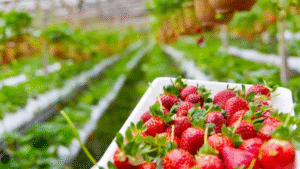 within a single season. The rising demand for fresh berries in homes, cafes, bakeries, and hotels has encouraged farmers to explore strawberry gardening seriously. Improved farming techniques and better plant varieties have made it easier to grow strawberries in diverse climates.
Strawberries also appeal to gardeners because they can be grown in open fields, pots, hanging baskets, and even vertical setups. This flexibility makes them suitable for both rural farms and urban homes.
Choosing the Right Location and Climate
Strawberries grow best in mild climates with cool nights and moderate sunlight. In India, regions with winter 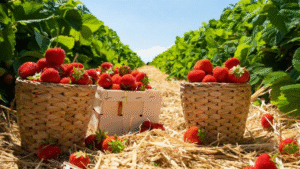 temperatures between 10°C and 25°C offer ideal conditions. States like Maharashtra, Himachal Pradesh, Uttarakhand, and parts of Karnataka have shown strong success with strawberry cultivation.
The plant prefers open areas that receive sufficient sunlight while being protected from harsh winds. Good air circulation helps reduce disease risk and supports healthy fruit development.
Soil Preparation and Planting
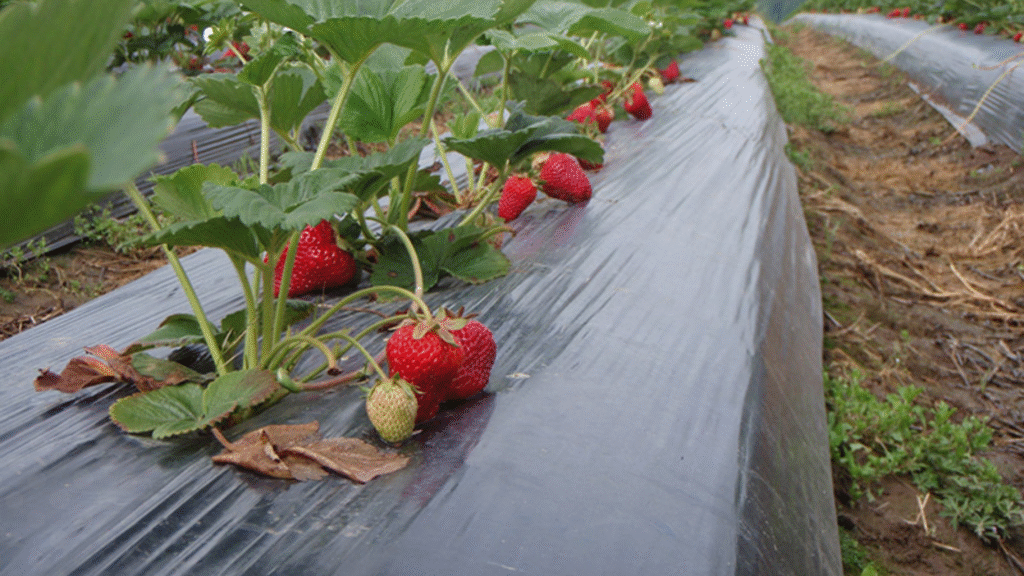 Well-drained soil rich in organic matter is essential for strawberries. Sandy loam soil allows roots to spread easily while preventing waterlogging. Before planting, the soil should be loosened and mixed with compost or well-rotted manure.
Planting usually begins in late autumn. Healthy runners or saplings should be placed with enough space between plants to allow proper airflow. Crowded plants often lead to smaller fruits and higher disease risk.
Watering and Daily Care
Strawberries need consistent moisture, especially during flowering and fruiting stages. However, excess 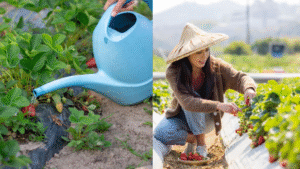 water can cause root rot and fungal problems. Drip irrigation works well because it keeps the soil moist without wetting the leaves.
Mulching is another important practice. Using straw, dry leaves, or plastic mulch helps retain moisture, control weeds, and keep fruits clean by preventing direct contact with soil.
Protecting Plants from Pests and Diseases
Strawberry plants are sensitive and require regular monitoring. Common issues include leaf spots, fungal 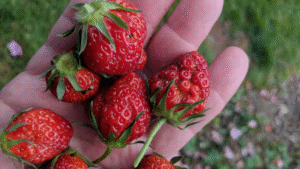 infections, and insects like aphids. Maintaining clean fields, removing affected leaves, and avoiding overcrowding helps reduce problems naturally.
Many growers prefer preventive care through balanced nutrition and good hygiene rather than heavy chemical use. This approach keeps plants healthier and improves fruit quality.
Harvesting at the Right Time
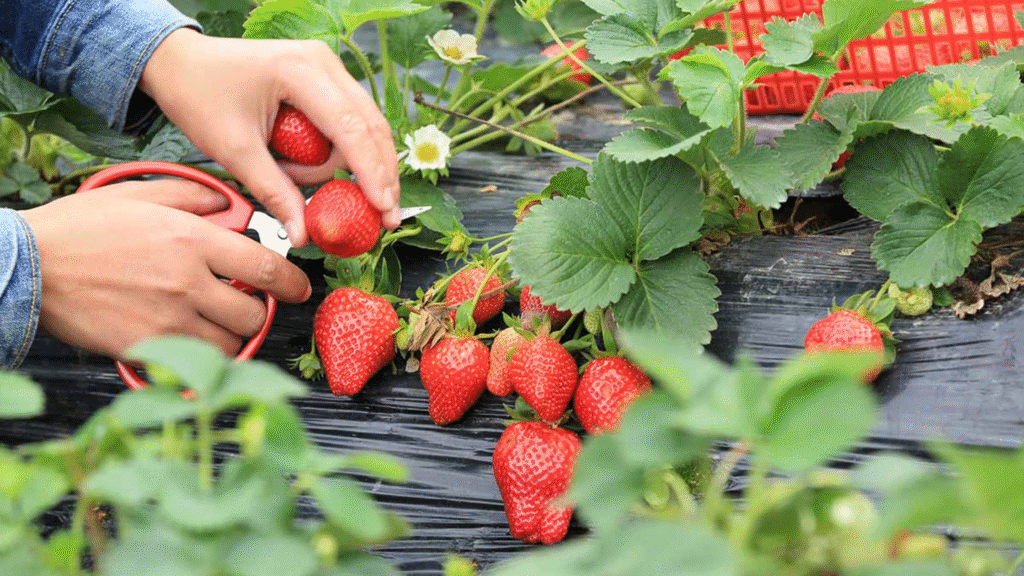 Strawberries should be harvested when they turn fully red and firm. Picking too early affects sweetness, while delayed harvesting reduces shelf life. Harvesting is best done early in the morning when fruits are cool.
Gentle handling during harvest is important, as strawberries bruise easily. Freshly harvested berries should be stored in cool conditions to maintain quality.
Strawberries in Modern Indian Food Habits
Strawberries have become popular in desserts, smoothies, 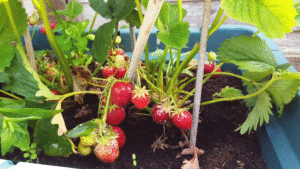 breakfast bowls, and bakery products. As awareness grows around balanced eating, strawberries are increasingly included alongside other fruits and vegetables india in everyday meals. Their ability to blend easily with vegetables fruits and combinations makes them a versatile ingredient in modern kitchens. With improved supply chains, the freshness of vegetables and fruits like strawberries is now easier to maintain from farm to table.
Vipra Overseas and the Export of Agro Products
 Vipra Overseas plays an important role in supporting the global movement of Indian agricultural produce. The company helps export a wide range of agro products including fresh fruits, fresh vegetables, beans, frozen products, spices, and grains. Through careful sourcing, quality inspection, export-grade packaging, and coordinated international logistics, Vipra Overseas ensures that produce reaches global markets in excellent condition. By connecting Indian farmers with international buyers, the company supports better market access and consistent demand for high-quality produce.
Why Strawberry Gardening Is Rewarding
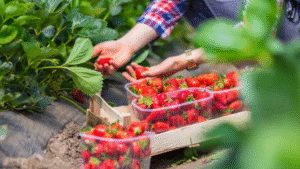 Strawberry gardening brings joy not just through harvest but through the growing process itself. Watching flowers turn into fruit creates a strong connection between the grower and the land. For farmers, strawberries offer quick returns and growing market demand. For home gardeners, they provide fresh, chemical-free fruit right from the garden.
The short growing cycle, attractive appearance, and high market value make strawberries a smart choice for anyone looking to explore fruit cultivation.
Conclusion
Strawberry gardening in India represents a perfect balance between tradition and modern farming. With the right climate, careful planning, and daily attention, strawberries thrive beautifully in Indian conditions. Their rising popularity in homes and markets reflects changing food preferences and growing interest in fresh produce.
Supported by improved farming methods and strong export networks through companies like Vipra Overseas, strawberries grown in India now reach both domestic and global markets with quality and care. Whether grown on a farm or in a small garden, strawberries bring sweetness, satisfaction, and opportunity with every harvest.