
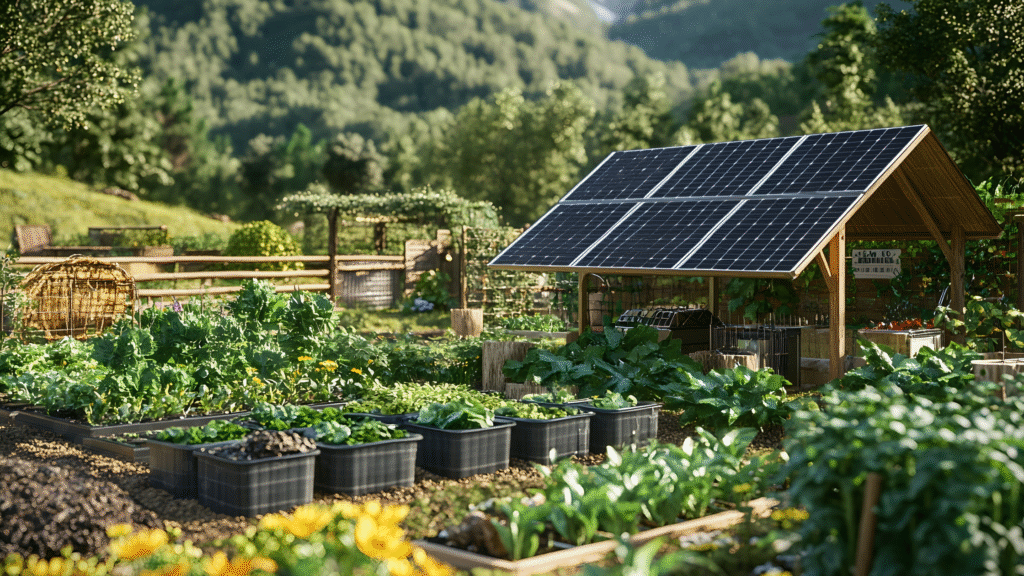
 Farming is no longer only about growing crops it is about growing them responsibly. With climate changes, water shortages, and rising food demand, farmers across the world are rethinking how food is produced. Sustainable farming focuses on methods that protect natural resources while maintaining steady yields. Over the last few years, innovation has played a major role in shaping these practices. From smart technology to nature-based solutions, modern farming is finding better ways to work with the environment instead of against it. Below are seven key innovations that are transforming sustainable farming today.
Innovation 1: Precision Farming Techniques
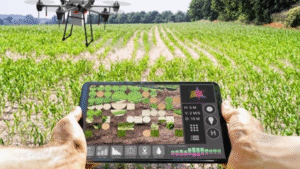 Precision farming uses data to guide farming decisions. Sensors, GPS mapping, and field monitoring tools help farmers understand soil conditions, moisture levels, and crop health more accurately. Instead of applying water or nutrients evenly across the field, farmers can target specific areas that need attention. This reduces waste, lowers input costs, and improves crop quality while protecting soil health.
Innovation 2: Drip and Micro-Irrigation Systems
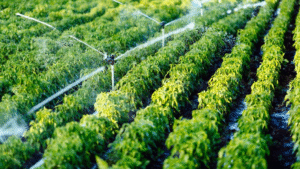 Water conservation is one of the most important aspects of sustainable farming. Drip and micro-irrigation systems deliver water directly to plant roots in controlled amounts. This prevents water loss due to evaporation and runoff. These systems are especially helpful in dry regions where water availability is limited. Farmers benefit from healthier crops and reduced water usage at the same time.
Innovation 3: Crop Rotation and Mixed Cropping
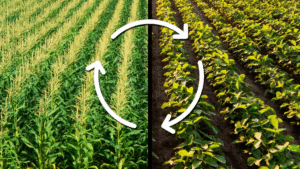 Growing the same crop repeatedly weakens soil and increases pest pressure. Crop rotation changes planting patterns each season, allowing soil nutrients to recover naturally. Mixed cropping, where multiple crops are grown together, improves biodiversity and reduces disease spread. These methods strengthen soil structure and support long-term productivity without heavy chemical dependence.
Innovation 4: Use of Natural Soil Enhancers
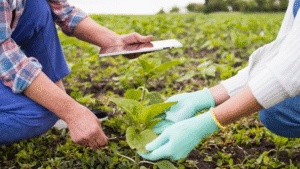 Instead of relying heavily on chemical inputs, many farmers now use compost, organic matter, and natural soil conditioners. These improve soil fertility, increase water retention, and encourage beneficial microorganisms. Healthy soil produces stronger crops and reduces the need for external inputs, supporting long-term farm sustainability.
Innovation 5: Controlled Environment Agriculture
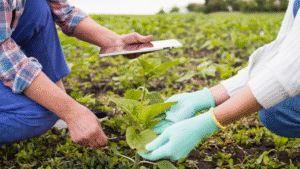 Greenhouses, shade nets, and indoor farming setups allow crops to grow in protected conditions. Temperature, humidity, and light can be managed carefully, reducing crop loss from extreme weather. This approach allows farmers to grow produce year-round and ensures consistent quality regardless of seasonal changes.
Innovation 6: Renewable Energy on Farms
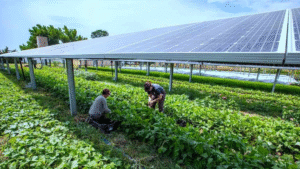 Solar panels and wind-powered systems are becoming common on farms. Renewable energy helps farmers power irrigation systems, storage units, and processing equipment without depending entirely on traditional electricity sources. This lowers operational costs and reduces environmental impact, making farms more self-reliant.
Innovation 7: Digital Market Access for Farmers
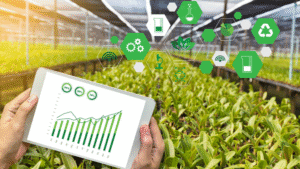 Technology is also transforming how farmers sell their produce. Digital platforms now connect growers directly with buyers, exporters, and distributors. This reduces dependency on middle layers and helps farmers receive better prices. Transparent pricing and real-time market information allow farmers to plan crops more efficiently.
How Sustainable Farming Shapes Food Choices
Modern consumers are becoming more conscious of where their food comes from. Farming methods that protect soil and water help ensure long-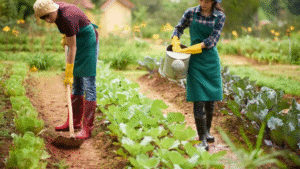 term food availability. Sustainable practices support the production of more fruits without harming ecosystems. These methods also encourage better handling and storage, allowing fresh fruits & vegetables to reach markets in better condition. As farming methods improve, diverse produce including beans fruits combinations become more accessible to consumers.
Vipra Overseas and the Role of Sustainable Exports
 Vipra Overseas supports the global movement of responsibly grown produce by connecting Indian farms with international buyers. The company exports a wide range of agro products including fresh fruits, fresh vegetables, beans, frozen products, spices, and grains. From sourcing produce grown under careful farming practices to quality checks, export-ready packaging, and reliable international logistics, Vipra Overseas ensures consistency at every stage. By supporting sustainable supply chains and meeting global standards, the company helps Indian agriculture expand its presence across global markets.
Why Innovation Matters for the Future of Farming
 Without innovation, farming faces serious risks—from soil degradation to unstable yields. These new methods help farmers protect their land while maintaining production. Sustainable farming is not about reducing output; it is about producing smarter, cleaner, and more responsibly. Innovation ensures that farming remains viable for future generations.
Conclusion
Sustainable farming is no longer a choice—it is a necessity. The innovations shaping today’s farms help conserve water, improve soil health, reduce waste, and protect the environment. From precision tools and renewable energy to better crop planning and digital market access, these changes are building a stronger agricultural system.
With growing global demand and structured export support from companies like Vipra Overseas, sustainably grown produce now reaches international markets with greater reliability. These innovations ensure that farming continues to feed the world while respecting the land it depends on.