
A Modern Shift in the Way Food Is Grown
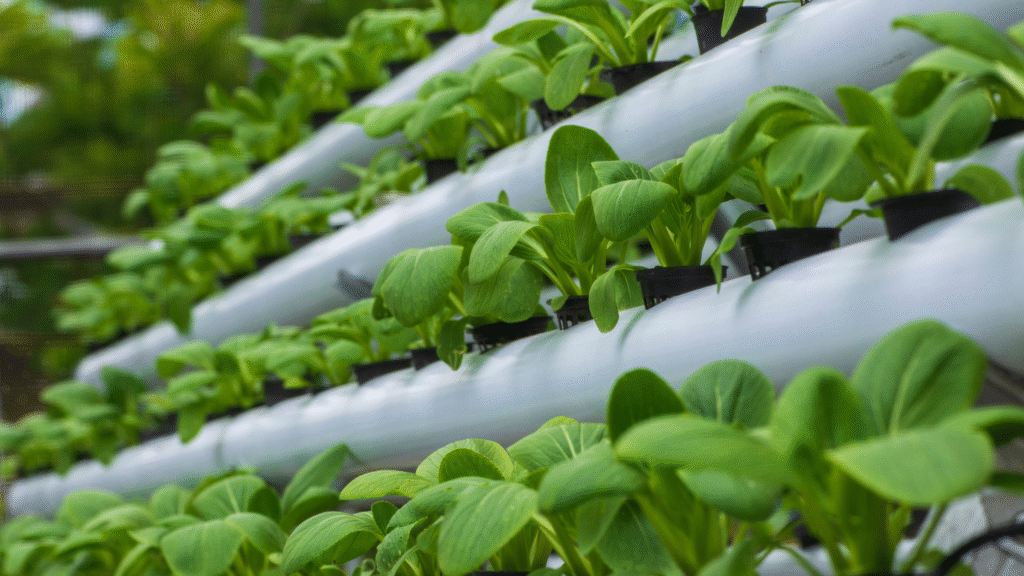 Agriculture has always evolved with time. From traditional soil farming to mechanized tools, each stage has aimed to improve yield and reliability. Today, hydroponics represents one of the most meaningful shifts in food production. By growing plants in nutrient-rich water instead of soil, farmers gain control over conditions that were once left to chance.
Hydroponics is no longer limited to research labs or experimental farms. It is now actively shaping commercial agriculture, urban food systems, and export-quality produce across many countries.
1. Farming Without Dependence on Soil
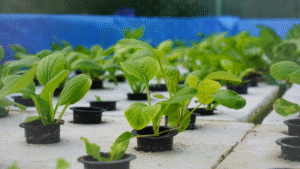 One of the biggest advantages of hydroponics is that it removes soil from the equation. This opens up farming possibilities in areas where soil quality is poor or land is unavailable. Rooftops, warehouses, and urban spaces can now become productive growing zones, expanding agriculture beyond traditional boundaries.
2. Significant Water Conservation
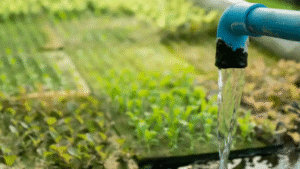 Hydroponic systems recycle water continuously, using far less than open-field farming. Plants absorb what they need, and the rest is reused. In regions facing water scarcity, this benefit alone makes hydroponics a practical solution for long-term food security.
3. Faster and More Predictable Growth
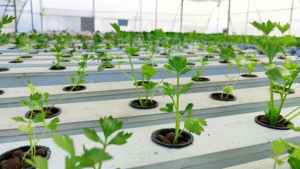 Plants grown hydroponically receive nutrients directly at the roots, which reduces energy spent searching for food. As a result, growth becomes faster and more uniform. Farmers can plan harvest cycles accurately, helping them meet consistent market demand without seasonal uncertainty.
4. Reduced Pest and Disease Issues
 Soil is often the source of many pests and plant diseases. By eliminating soil, hydroponics naturally reduces these risks. This leads to healthier crops and less dependency on chemical treatments, producing cleaner food for consumers.
5. Higher Yield in Limited Space
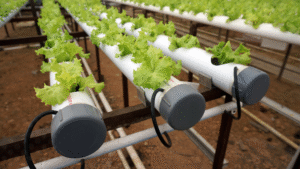 Hydroponic farming maximizes space usage. Vertical systems and stacked growing setups allow farmers to grow more plants per square meter compared to traditional fields. This efficiency is especially valuable in cities and high-demand zones where land availability is limited.
6. Better Control Over Crop Quality
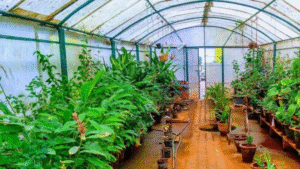 In hydroponics, farmers control nutrients, light, temperature, and airflow. This results in crops with uniform size, color, and texture. Such consistency is essential for premium markets, food processors, and export buyers who expect reliable quality.
This level of control supports crops across categories like different fruits and vegetables, where visual appeal and freshness directly influence buyer decisions.
7. Year-Round Production
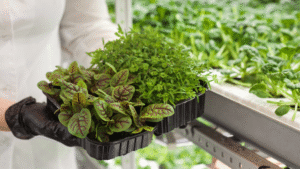 Traditional agriculture depends heavily on seasons, rainfall, and climate. Hydroponics removes these limitations by creating a stable environment where crops can grow throughout the year. This ensures uninterrupted supply and stable income for growers.
8. Lower Environmental Impact
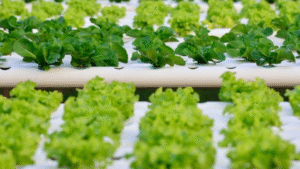 Hydroponics reduces soil erosion, limits fertilizer runoff, and minimizes waste. With precise nutrient delivery, there is less pollution of nearby water sources. This makes hydroponics a more environmentally responsible farming method compared to many conventional practices.
9. Strong Support for Global Food Demand
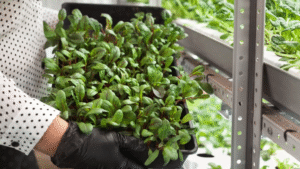 As global populations grow, the demand for clean and consistent food increases. Hydroponics supports this demand by enabling high-density production close to consumption areas. Fresh produce reaches markets faster, maintaining quality and reducing transport losses.
This efficiency benefits products traded as fruits fresh, where shelf life and appearance are critical factors.
10. Boost to Agricultural Trade and Exports
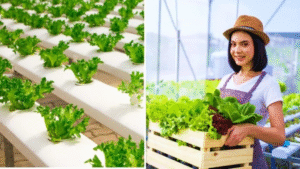 Hydroponically grown produce often meets international quality standards more easily due to its cleanliness and uniformity. This makes it highly suitable for export markets, food processing units, and premium retail chains.
Hydroponics also supports the cultivation of high-value crops, including herbs and spice fruits, which require controlled growing conditions for optimal quality.
Impact of Hydroponics on Modern Agriculture
Hydroponics is changing how agriculture is viewed—not just as land-based farming, but as a technology-driven 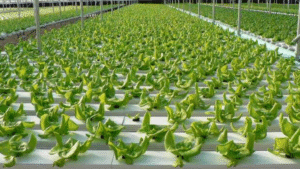 system. It attracts young entrepreneurs, encourages urban farming, and introduces precision methods that improve efficiency. Traditional farmers are also adopting hybrid models that combine soil farming with hydroponic units for added stability.
Educational institutions, startups, and agribusiness companies are investing in hydroponics as a long-term solution to food challenges.
Export Support and the Role of Vipra Overseas
 As hydroponic produce gains recognition in global markets, experienced export partners play a vital role in connecting growers with buyers. This is where Vipra Overseas contributes strongly to the agricultural supply chain.
Vipra Overseas helps export agro products such as:
-
Fresh fruits
-
Fresh vegetable
-
Beans
-
Frozen products
-
Spices
-
Grains
By managing quality checks, packaging standards, cold-chain logistics, and international shipping, Vipra Overseas ensures that Indian agricultural produce reaches overseas markets in excellent condition. Their support helps farmers and producers expand beyond local sales into global trade.
The Road Ahead for Hydroponics
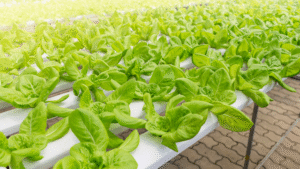 Hydroponics is not meant to replace traditional farming entirely, but it complements it in powerful ways. As technology improves and awareness grows, more farmers are adopting hydroponic systems to improve yield, reduce risk, and meet modern market expectations.
With increasing focus on sustainability, clean food, and export-ready quality, hydroponics is set to play a major role in shaping the future of agriculture.
Final Thoughts
Hydroponics represents a meaningful step forward in agricultural innovation. Its benefits extend beyond faster growth and higher yield—it offers resilience, sustainability, and global market readiness. From water conservation to export potential, hydroponics is helping agriculture adapt to the demands of today and tomorrow.
With reliable export support from partners like Vipra Overseas, hydroponically grown produce is not only feeding local communities but also reaching tables around the world.