
A Smarter Way to Grow in Modern Agriculture
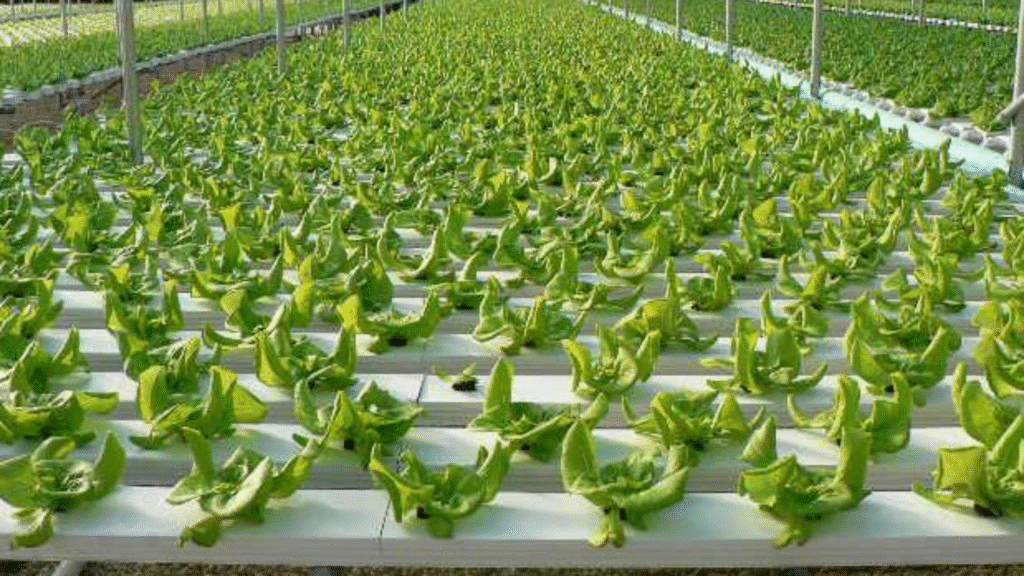 Protected cultivation has transformed the way growers manage crops in changing climates. Instead of depending entirely on open fields, farmers now use structures such as greenhouses, shade nets, and polyhouses to shield plants from harsh weather. This gives crops a controlled environment where temperature, humidity, sunlight, and water can be managed with far more precision.
As weather becomes unpredictable and land resources shrink, protected cultivation is helping growers produce consistent, high-quality vegetables, fruits, herbs, and flowers throughout the year.
Below are nine major benefits that explain why this growing method is becoming a preferred choice across India and around the world.
1. Better Control Over Climate
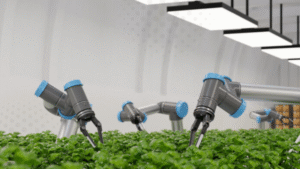 One of the biggest advantages of protected cultivation is climate control. In open fields, plants depend entirely on natural weather, making them vulnerable to heatwaves, heavy rains, cold winds, and storms. Inside a controlled structure, the grower can adjust air temperature, humidity, and ventilation based on crop needs. This protects plants from stress and ensures steady development.
2. Year-Round Growing
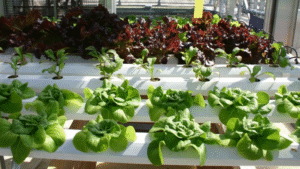 Protected cultivation removes season limitations. Whether it is winter, summer, or monsoon, growers can maintain the same crop cycle without interruptions. This helps farmers supply markets consistently and meet the increasing demand for fresh produce across cities. Continuous production also ensures better planning and income stability for growers.
3. Higher Productivity in Less Space
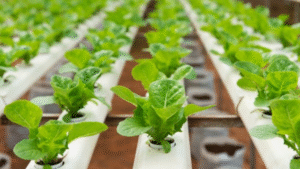 When plants receive the right environment every day, they grow faster and healthier. Even in limited land, protected systems produce more yield per square meter compared to traditional farming. This is especially beneficial in urban areas where land availability is low. Crops grow thicker, stronger, and more uniform, which improves market appeal.
4. Reduced Pest and Disease Pressure
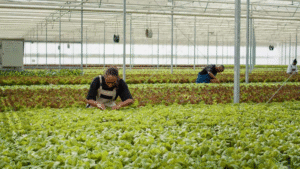 Open-field crops often face heavy losses due to pests, soil diseases, and fungal infections. Protected environments act as a barrier, reducing entry of harmful insects and limiting disease spread. With fewer pest attacks, chemical usage drops significantly, resulting in cleaner harvests and safer produce for consumers.
5. Efficient Water and Nutrient Use
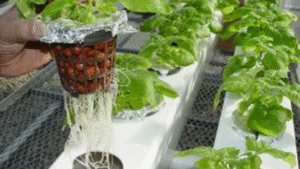 Water scarcity is becoming a major challenge, but protected cultivation helps solve this by preventing evaporation and water loss. Many growers use drip irrigation or hydroponic systems inside greenhouses, ensuring precise nutrient delivery. Plants absorb fertilizers more effectively, reducing waste and improving growth. This controlled feeding creates stronger plants with better color and taste.
6. Higher Quality Produce for Premium Markets
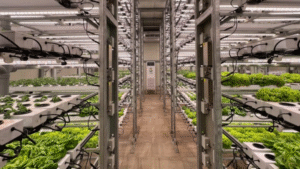 Protected cultivation leads to visually appealing produce with uniform shape, size, and color. Buyers in supermarkets, hotels, and exporters prefer crops that stay fresh longer and look consistent. This makes protected-cultivated vegetables and fruits suitable for premium retail shelves, processing units, and long-distance supply chains.
Such produce often performs well in categories like frozen vegetables and fruits, where quality and moisture levels must be maintained from harvest to freezing.
7. Strong Protection From Environmental Damage
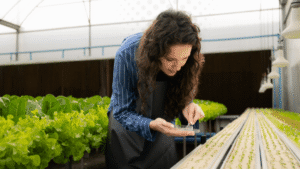 Heavy rainfall, hailstorms, and strong winds can destroy open-field farms within minutes. Protected structures shield crops from these unpredictable events. Even during extreme weather, plants continue growing safely inside. This protection reduces financial risk for growers and provides a sense of security that open-field farming cannot offer.
8. Better Opportunity for Home and Urban Growers
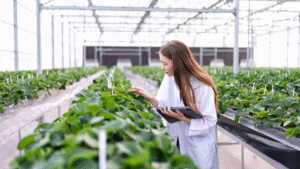 Controlled environments make it possible for people to grow fresh food even in small spaces. Urban residents, apartment owners, and rooftop gardeners can raise vegetables and herbs easily inside compact structures. This supports small-scale supply for fruits home needs and provides families with cleaner, pesticide-free produce straight from their own garden.
9. Easy Integration With Modern Farming Technologies
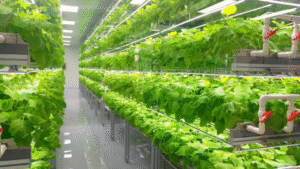 Protected cultivation blends smoothly with modern tools such as automatic irrigation, climate sensors, vertical farming, and hydroponics. As agriculture becomes more advanced, growers are combining these technologies to increase production and reduce manual work. This opens the door to produce high-value crops that meet export quality.
Such advancements also support the growth of vegetables products that maintain uniformity, freshness, and longer shelf life.
Export Opportunity and the Role of Vipra Overseas
 As the demand for premium-quality produce increases across global markets, protected cultivation plays a major role in producing crops that meet international standards. Clean, uniform, and pesticide-controlled harvests have a better chance of succeeding in export markets.
This is where Vipra Overseas supports growers by exporting agro products such as:
-
Fresh fruits
-
Fresh vegetable
-
Beans
-
Frozen products
-
Spices
-
Grains
Vipra Overseas manages quality checks, packaging standards, cold-chain logistics, and global shipping. With strong supply connections, they help Indian growers reach customers across international markets and expand their business confidently.
Final Thoughts
Protected cultivation is not just a modern trend—it is becoming a necessity for growers who want reliability, stability, and better earnings. From climate protection to higher yield and reduced pest damage, this method gives farmers more control than ever before. It supports market demand for cleaner, fresher, and premium-quality produce while providing a stronger foundation for export growth.
Whether someone grows for home use, retail supply, or international trade with support from partners like Vipra Overseas, protected cultivation stands as one of the most promising approaches for the future of agriculture.