Understanding Hydroponic Systems Before Choosing One
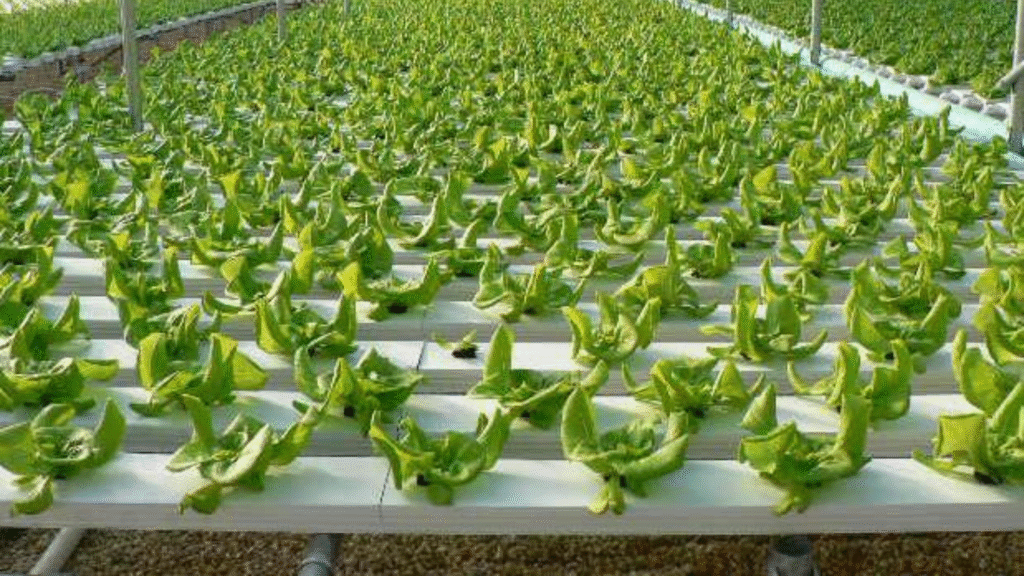 Hydroponics has quickly become one of the most promising methods for growing plants in modern agriculture. Instead of depending on soil, this method uses water mixed with essential nutrients to feed plant roots directly. As more people turn to home-based growing, urban farming, and commercial cultivation, one question rises above all: Which hydroponic system is the best?
The truth is, there isn’t a one-size-fits-all answer. Each system has strengths and limitations, and the “best” depends on space, budget, crop type, and grower experience. This guide will help you understand each major system and decide which one suits your growing goals.
Deep Water Culture (DWC)
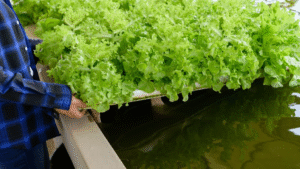 DWC is one of the simplest and most widely used hydroponic systems. Plants sit in net pots with their roots hanging into oxygen-rich nutrient solution.
Why People Choose DWC
-
Easy to set up
-
Affordable for beginners
-
Ideal for leafy vegetables
-
Very stable for home growers
Where DWC Works Best
DWC fits well in small rooms, balconies, and terraces. It’s a beginner-friendly system that gives fast results without complicated equipment.
Nutrient Film Technique (NFT)
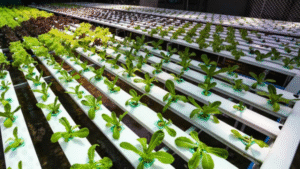
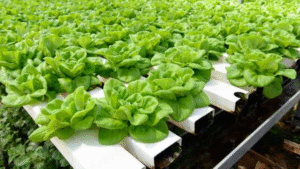 NFT is a favorite among commercial growers. Plants sit in channels while a thin stream of nutrient solution flows continuously over the roots.
Why Many Growers Prefer NFT
-
Excellent oxygen supply
-
Efficient nutrient use
-
Clean and fast growth
-
Ideal for long-term production
Best Uses for NFT
This system is ideal for lettuces, herbs, and crops requiring steady moisture. It is one of the top choices for large-scale production.
Ebb and Flow (Flood and Drain)
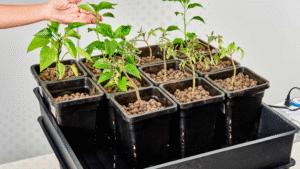 This system works by periodically flooding the grow bed with nutrients and then draining it back into a reservoir.
Why Growers Choose Ebb and Flow
-
Great for crops with strong roots
-
Balanced exposure to air and water
-
Flexible for various plant types
Where It Works Best
Ebb and flow is suitable for both home growers and medium-sized commercial spaces. It supports heavier crops like tomatoes, peppers, and flowering plants.
Drip Irrigation System
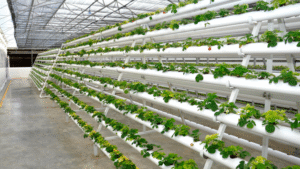 This system slowly drips nutrient solution into the base of each plant using small tubes.
Advantages of Drip Systems
-
Highly customizable
-
Works with almost any crop
-
Suitable for large-scale farming
-
Easy to automate
Best Use Cases
It is extremely useful for commercial greenhouse units that grow many varieties at once.
Aeroponics
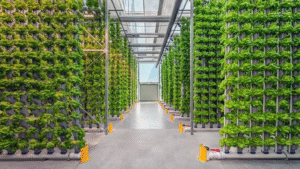 Aeroponics is a more advanced method where roots are suspended in air and sprayed with nutrient mist.
Why Aeroponics Stands Out
-
Superior oxygen supply
-
Very fast growth
-
Excellent nutrient absorption
-
High-tech and efficient
Where Aeroponics Fits
This system suits experienced growers and research setups. It offers high yield but requires close monitoring.
Vertical Hydroponic Systems
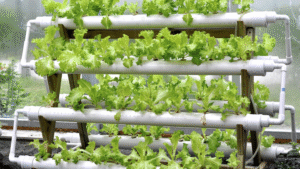 Vertical systems stack plants in columns or towers, allowing more plants to grow in less space.
Why Vertical Systems Are Popular
-
Perfect for limited space
-
Great for urban farming
-
Efficient water use
-
Attractive and compact
Ideal Applications
Vertical towers are great for growing greens in apartments, small homes, cafés, and indoor farms offering home delivery of vegetables.
Which System Is Truly the Best?
 To decide which system is best, consider these points:
For Beginners
Deep Water Culture is the easiest to manage. It requires minimal equipment and delivers quick results.
For Space-Saving
Vertical systems win because they grow many plants using a small footprint.
For Commercial-Scale Crops
NFT and Drip Systems are the best choices because they support continuous production and consistent quality.
For Fastest Growth
Aeroponics offers unmatched speed, though it demands more skill and investment.
The “best” system is the one that matches your purpose, skill level, and space.
Why Hydroponics Supports Local and Global Markets
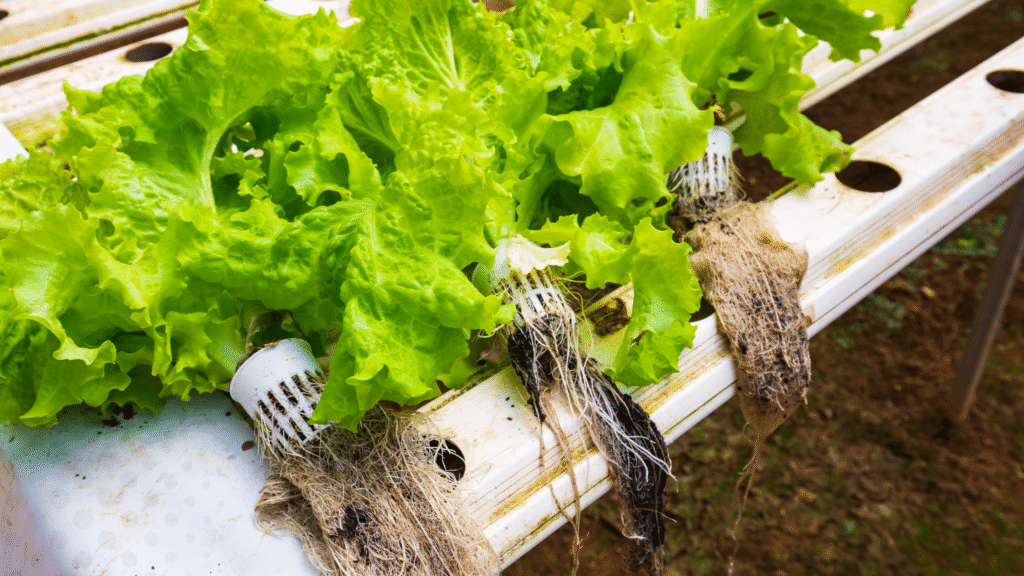 Hydroponic systems create cleaner plants with longer shelf life and uniform size, making them ideal for modern supply chains. Retailers, restaurants, and exporters prefer these crops because they maintain freshness longer during transport.
This shift also supports connections to international markets, especially brands involved in exporting fruits from india where buyers expect consistency and hygiene.
Hydroponically grown vegetables complement a wide range of us vegetables and salad greens already trending in global food sectors.
Export Opportunities and the Role of Vipra Overseas
 As demand for clean, well-grown produce rises internationally, exporters play a crucial role in connecting farmers to global buyers. This is where Vipra Overseas supports growers with their strong export network.
Vipra Overseas exports agro products such as:
-
Fresh fruits
-
Fresh vegetable
-
Beans
-
Frozen products
-
Spices
-
Grains
By providing quality checks, packaging assistance, cold-chain support, and compliance with international standards, Vipra Overseas helps hydroponic growers reach premium markets confidently.
Final Thoughts
Choosing the best hydroponics system depends on your needs, but every system offers its own advantages. Whether you’re growing for personal use, home delivery, retail supply, or export trade, hydroponics provides cleaner produce, year-round harvests, and stronger control over plant quality.
With growing market demand and export support from partners like Vipra Overseas, hydroponic farming is becoming one of the most promising paths for future agriculture.