
A Fresh Crop Made Even Easier
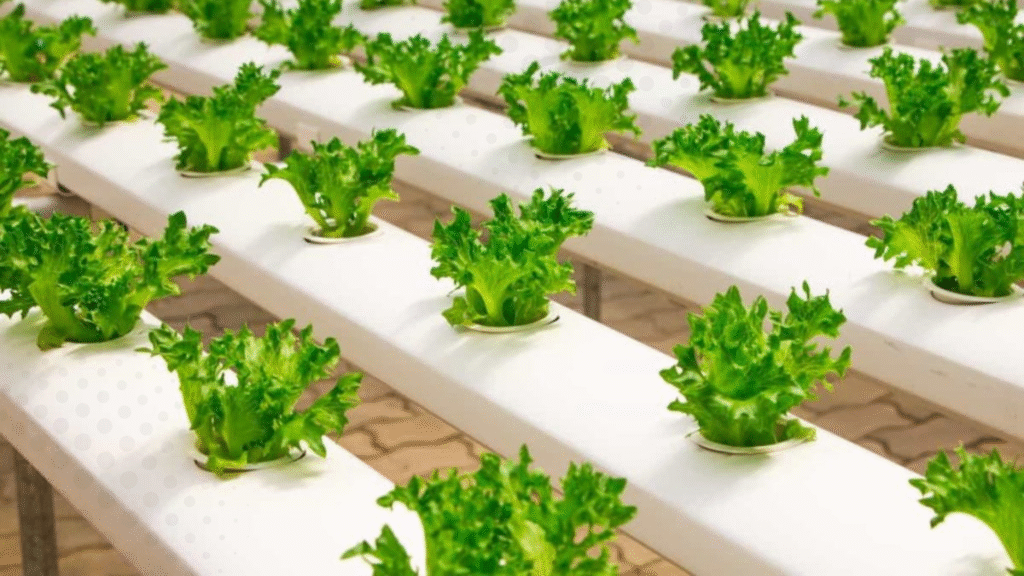 Lettuce is one of the most popular crops in hydroponics because it grows quickly, stays clean, and thrives with minimal space. Whether you want to grow lettuce for your home kitchen, for commercial supply, or as part of a larger farming plan, hydroponics offers a smooth and predictable way to raise crisp, healthy leaves throughout the year.
Unlike soil farming, where weather and soil health can interrupt growth, hydroponics provides full control over water, nutrients, and light. This makes lettuce a reliable starter crop for beginners and a profitable crop for advanced growers.
Why Lettuce Is Ideal for Hydroponics
Lettuce has shallow roots  and grows well in steady moisture, making it a perfect fit for water-based systems. The plant does not require heavy nutrients or deep soil. Instead, it prefers:
-
Mild temperatures
-
Gentle airflow
-
Moderate sunlight or grow lights
-
Clean nutrient solution
Because lettuce matures fast, harvest cycles become shorter, allowing continuous production in small or large spaces.
Choosing the Right Lettuce Variety
Different lettuce varieties  behave differently in hydroponic setups. Some grow compact, some grow leafy, and others form beautiful heads.
Popular varieties for hydroponics include:
-
Butterhead
-
Romaine
-
Iceberg
-
Green leaf
-
Red leaf
Butterhead is often preferred by beginners because it grows soft, smooth leaves and adapts easily to different systems.
Selecting the Best Hydroponic System
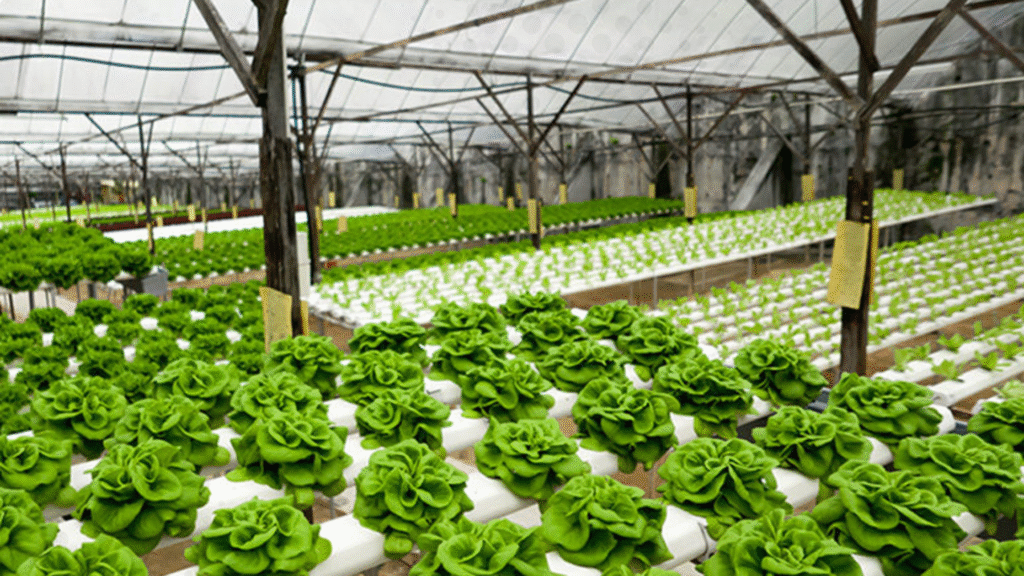 Lettuce grows well in several hydroponic systems, especially those that provide consistent water flow and oxygen supply to the roots.
Best systems for lettuce:
-
Nutrient Film Technique (NFT)
-
Deep Water Culture (DWC)
-
Kratky method (for home growers)
-
Floating raft system
NFT and DWC are widely used in commercial greenhouses because they support continuous production and uniform plant size.
Starting Lettuce From Seeds
Lettuce seeds are small 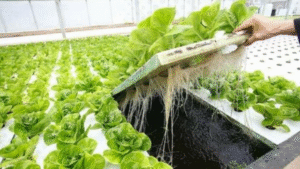 and delicate, so they should be started carefully. The best method is to use:
-
Rock wool cubes
-
Coco peat plugs
-
Starter trays
Moisten the cubes slightly and place one or two seeds per slot. Keep them in a warm and slightly shaded area for 2–3 days. You will see tiny shoots appearing soon.
Once seedlings develop two or three true leaves, they are ready for transplanting.
Transplanting Seedlings Into the System
When moving seedlings, 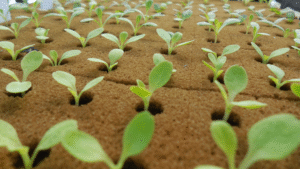 handle them gently. Place each cube or plug into a net pot, making sure the roots touch the flow of nutrient solution.
Key things to keep in mind:
-
Avoid bending the small roots
-
Ensure proper spacing to prevent overcrowding
-
Maintain light airflow around the plants
Healthy spacing helps each plant receive enough light and prevents moisture buildup.
Managing Light, Water, and Nutrients
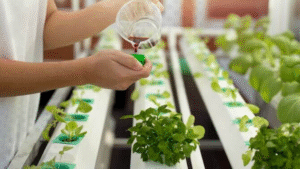 Lettuce needs balanced care, but nothing overly complicated. Indoors or outdoors, your goal is to maintain a friendly growing environment.
Light Requirements
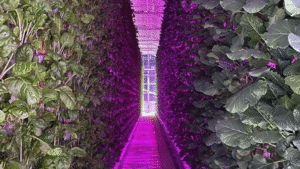 Lettuce prefers 10–14 hours of light daily. If sunlight is limited, LED grow lights can be used. Too much strong light may cause leaf tip burn, while too little light can make the plant stretch and weaken.
Nutrient Requirements
Lettuce does not require heavy feeding. A mild nutrient mix works best. Always follow recommended dosage guidelines to avoid nutrient burn.
Water Quality
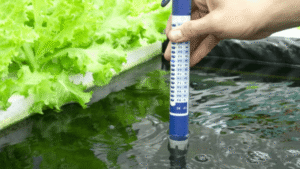 Water should be clean, cool, and oxygenated. If water becomes too warm, lettuce tends to wilt and lose crispness.
Temperature and Airflow
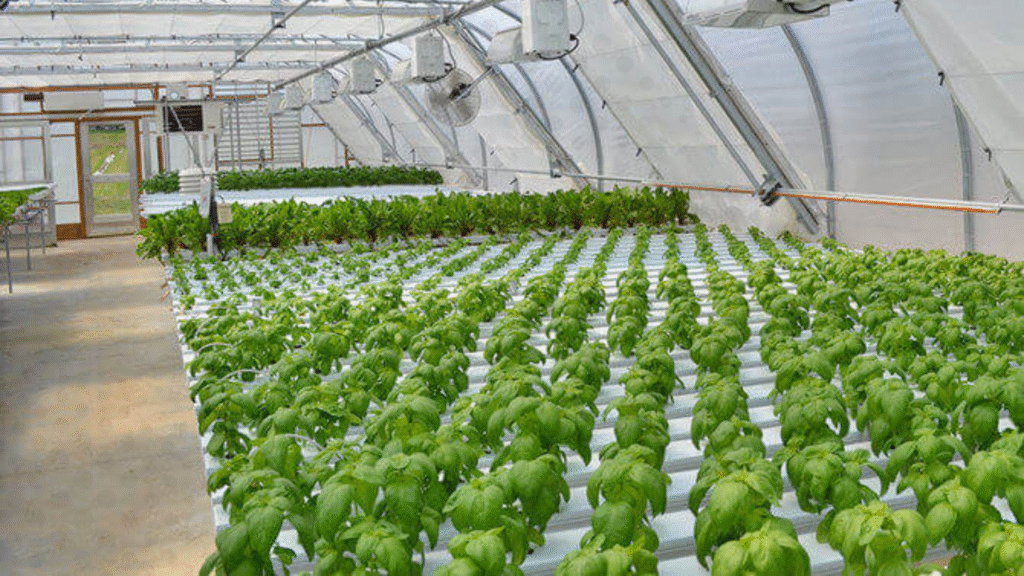 Ideal temperature for hydroponic lettuce is between 18°C and 24°C. A small fan helps maintain airflow, strengthening stems and reducing humidity-related issues. Proper airflow prevents diseases and lets roots breathe better.
Common Problems and How to Avoid Them
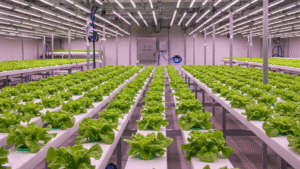 Even though lettuce is easy to grow, beginners sometimes face avoidable issues.
Overcrowding
 This restricts airflow and increases disease risk. Always space plants evenly.
High Temperature
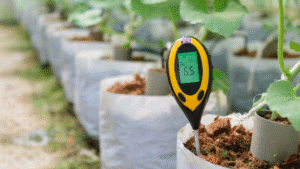 Heat can cause lettuce to taste bitter. Keep water and room temperature cool.
Nutrient Imbalance
Using too much nutrient solution may burn roots. Stick to gentle feeding schedules.
Poor Light Position
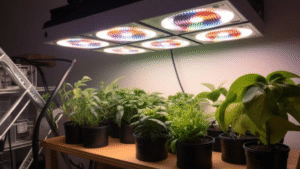 Lights should neither be too close nor too far. Adjust height gradually as plants grow.
Harvesting Hydroponic Lettuce
Lettuce is ready to 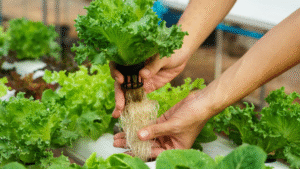 harvest in 25–35 days depending on the variety. You can either:
-
Cut the whole head at the base, or
-
Harvest outer leaves and let the plant continue growing
Leaf-by-leaf harvesting gives you continuous supply without replanting.
After harvesting, store lettuce in a cool place immediately to maintain freshness.
Market Demand and Business Value
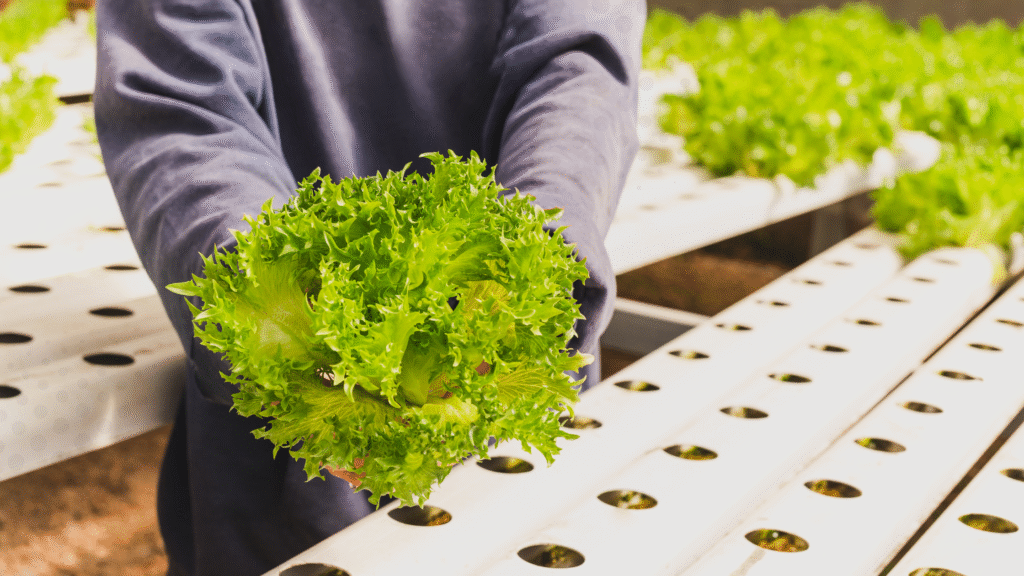 Hydroponic lettuce is highly valued for its:
-
Clean appearance
-
Crisp texture
-
Long shelf life
-
Zero-soil contamination
Restaurants, salad makers, premium supermarkets, and home-delivery services prefer hydroponic lettuce because it maintains quality longer than soil-grown varieties.
As international demand grows for clean greens among fruits in the us retailers and global health-conscious buyers, hydroponic lettuce is becoming part of modern supply chains.
Many urban growers also cultivate lettuce for vegetable home consumption, enjoying fresh daily harvests straight from their balconies or terraces.
Hydroponic lettuce even pairs well with several fruits products in salad mixes and ready-to-eat packs.
Export Growth and the Role of Vipra Overseas
 For growers planning to scale production, the export market brings strong opportunity. Buyers expect uniform, fresh, and clean produce—qualities that hydroponic lettuce naturally delivers.
This is where Vipra Overseas supports the supply chain. Vipra Overseas exports agro products including:
-
Fresh fruits
-
Fresh vegetable
-
Beans
-
Frozen products
-
Spices
-
Grains
Their expertise in quality checks, packaging, cold-chain handling, and international logistics helps growers reach global markets confidently. Hydroponic lettuce fits well into premium export segments due to its freshness and visual appeal.
Final Thoughts
Growing lettuce hydroponically is one of the simplest and most rewarding ways to begin modern farming. With the right system, steady light, clean water, and gentle nutrient balance, lettuce grows crisp, vibrant, and full of vitality. It fits both home setups and commercial greenhouses, offering consistent yield and strong market value.
With local demand rising steadily and global markets opening up through exporters like Vipra Overseas, hydroponic lettuce is a smart, future-ready crop for anyone exploring new farming possibilities.