
A Traditional Root in a Modern Growing System
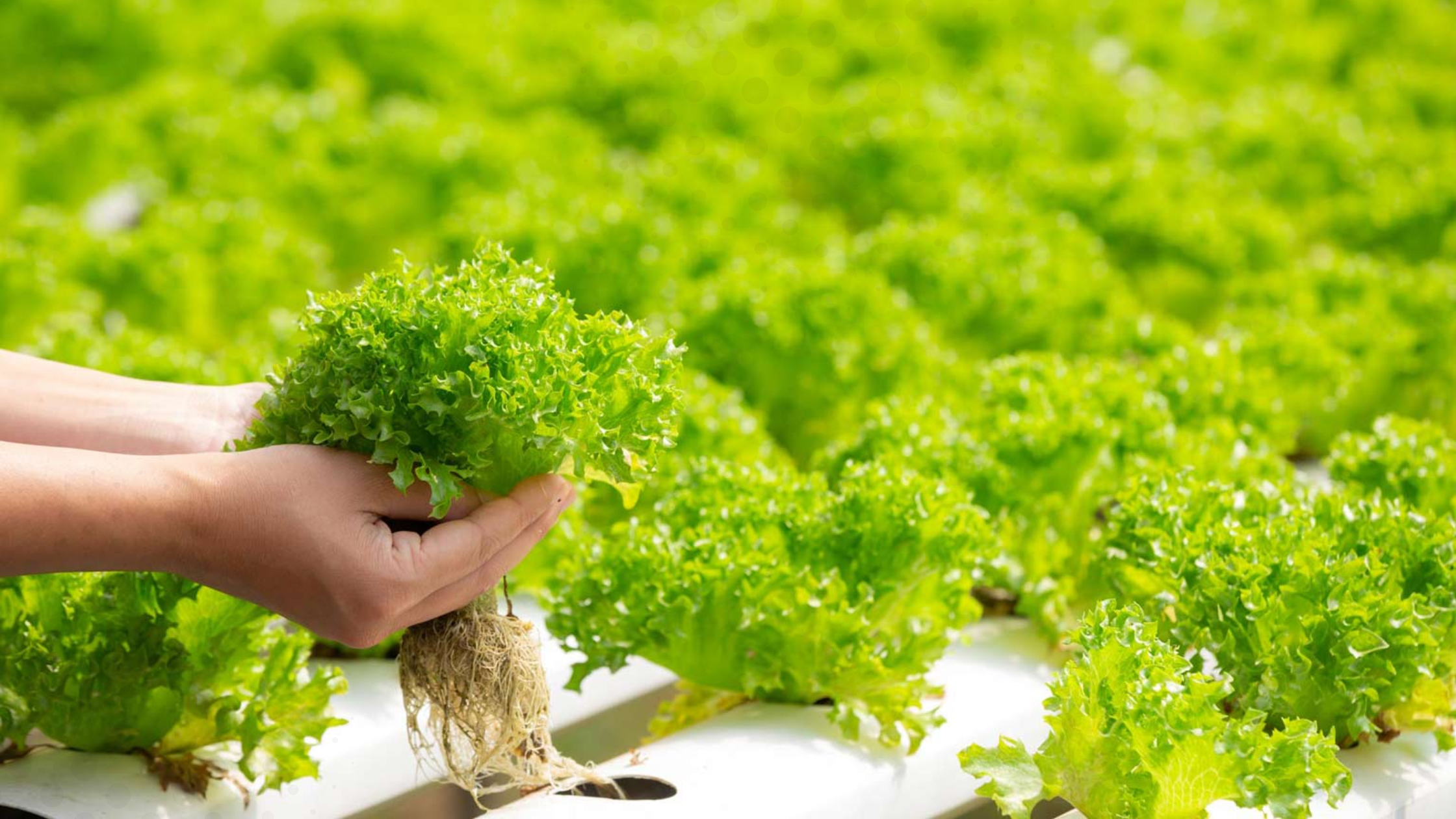 Turmeric has been a part of Indian kitchens and culture for centuries. Known for its deep golden color, earthy taste, and wide range of uses, turmeric holds a strong place in homes as well as in global markets. Traditionally, this crop grows in soil, taking months of careful nurturing before harvest. But with the rise of hydroponics, farmers and home growers are now exploring new ways to grow turmeric with better control, faster growth, and cleaner output.
Growing turmeric hydroponically may sound unusual, but it is entirely possible with the right setup and patience. This method gives growers the freedom to raise healthy turmeric even in limited spaces.
Why Turmeric Can Be Grown Without Soil
Turmeric grows from  rhizomes, which are underground stems that develop roots and shoots. In soil farming, these rhizomes spread beneath the surface. In hydroponics, the same process happens using a growing medium and nutrient-rich water.
Hydroponic turmeric offers:
-
Cleaner rhizomes without heavy soil coating
-
Better control over moisture
-
Reduced risk of soil-borne disease
-
Strong and steady nutrient supply
-
More predictable growth
This controlled setup allows growers to manage every stage of turmeric development carefully.
Choosing Good Quality Rhizomes
Everything begins with  choosing the right planting material. Always select healthy, disease-free turmeric rhizomes. They should be:
-
Firm to the touch
-
Free from cuts and rot
-
Well-shaped with visible buds
-
Medium to large in size
Before planting, many growers soak the rhizomes in clean water for a few hours to wake them up and encourage sprouting.
Selecting the Best System for Turmeric
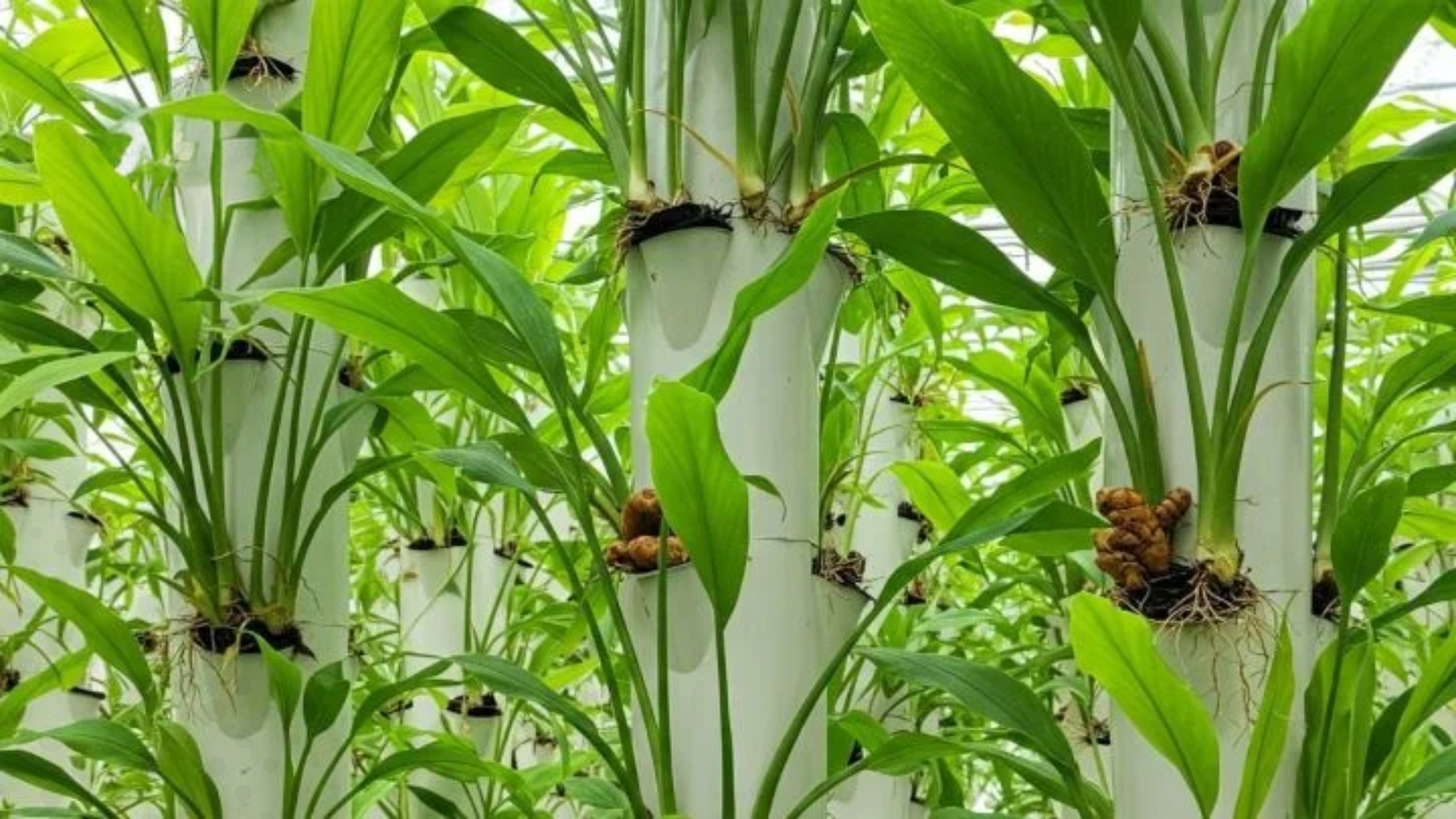 Since turmeric is a root-based crop, it requires more space beneath the plant compared to leafy vegetables. The most suitable hydroponic systems for turmeric include:
-
Drip irrigation buckets
-
Deep grow beds
-
Media-based grow containers
These systems allow rhizomes to expand freely while still receiving constant moisture and nutrients.
Preparing the Growing Medium
Unlike leafy greens, 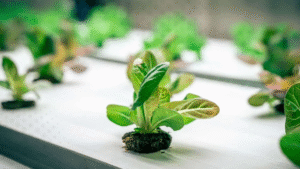 turmeric does not grow well with bare roots hanging in water. It needs a supportive medium that allows airflow and moisture at the same time.
The most commonly used media include:
-
Coco peat
-
Perlite
-
Clay pellets
The growing medium should be loose, not tightly packed, so that developing rhizomes can spread without pressure.
Planting Rhizomes the Right Way
Place the turmeric rhizome horizontally into 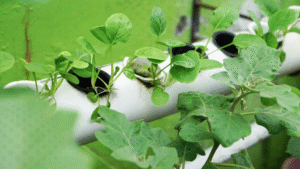 the growing medium, keeping the bud facing upward. Cover it lightly with the medium while keeping enough space for the shoot to emerge.
After planting:
-
Lightly moisten the system
-
Avoid flooding the grow bed
-
Keep the environment warm
Within 2 to 4 weeks, you will notice green shoots emerging above the surface.
Light and Temperature Requirements
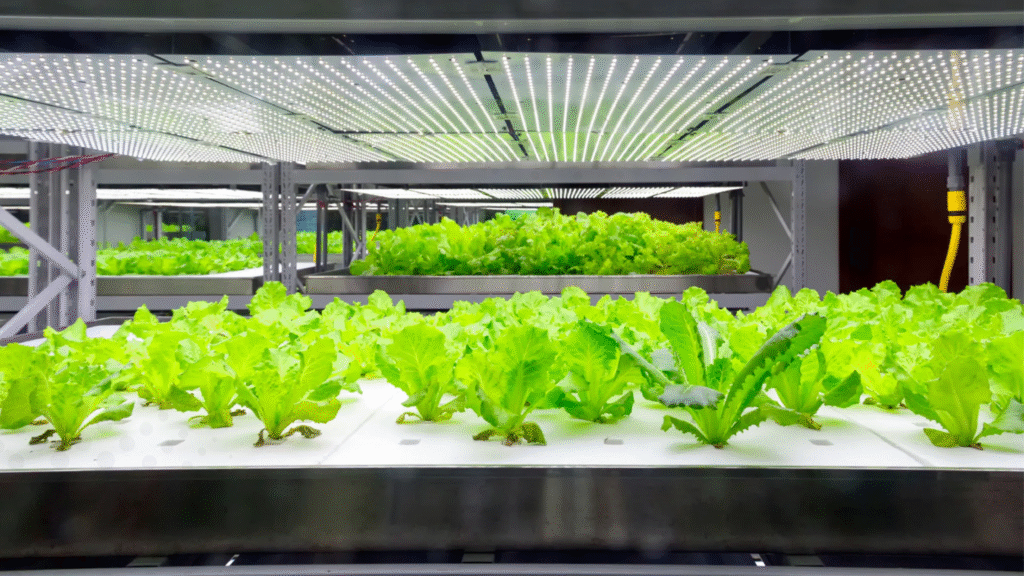 Turmeric loves warmth and light. It grows best in temperatures between 20°C and 30°C. While it does not need harsh direct sunlight all day, it does require steady bright light for healthy leaf development.
When grown indoors:
-
Provide 12–14 hours of grow light
-
Maintain room warmth
-
Avoid cold air drafts
Strong leaf growth supports healthy rhizome expansion below.
Feeding the Plant With Balanced Nutrients
Turmeric plants remain in the system for several 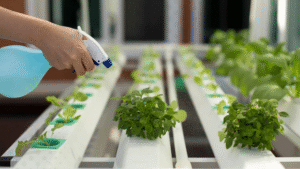 months, so nutrient balance is very important. During early growth, nitrogen supports leaf development. As the plant matures, potassium and phosphorus help in rhizome formation.
Always:
-
Use clean water
-
Avoid overfeeding
-
Keep nutrient strength steady
-
Change the solution regularly
Sudden changes in feeding can stress the plant and slow down turmeric development.
Daily Care and Observation
Turmeric does not need 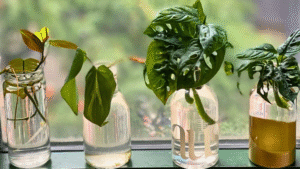 constant handling, but it does need regular checks. Spend a few minutes each day observing:
-
Leaf color and size
-
Stem strength
-
Water level
-
Medium moisture
-
Signs of pest stress
Healthy turmeric leaves remain broad, deep green, and upright.
When and How to Harvest Turmeric
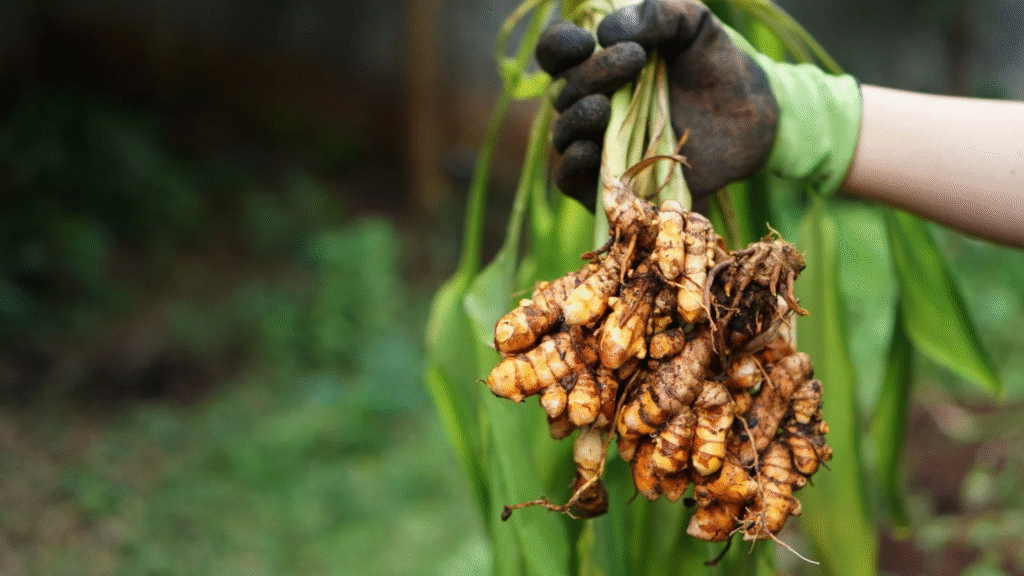 Turmeric usually takes 7 to 9 months to mature fully. You will know it is ready when:
-
Leaves begin to yellow
-
Stems start drying naturally
-
Growth slows down
To harvest:
-
Stop feeding for a week
-
Carefully open the medium
-
Remove fully developed rhizomes
-
Wash gently and dry properly
After drying, turmeric can be stored whole or processed into powder.
Demand for Turmeric in Local and Global Markets
Turmeric is in constant demand for food,  medicine, cosmetics, and wellness products. It is used fresh, dried, powdered, and in processed form.
When grown cleanly, hydroponic turmeric becomes highly valuable across local and export markets that trade fruits india, home vegetable, and india fruits as part of broader agricultural supply chains.
Export Support and the Role of Vipra Overseas
 As turmeric continues to gain global demand, reliable export support becomes essential. This is where Vipra Overseas plays an important role in connecting Indian growers with international buyers.
Vipra Overseas supports the export of agro products such as:
-
Fresh fruits
-
Fresh vegetable
-
Beans
-
Frozen products
-
Spices
-
Grains
With quality control, export packaging, cold-chain logistics, and shipping management, Vipra Overseas helps ensure that Indian hydroponic produce, including turmeric, reaches overseas markets safely and in top condition.
Common Mistakes Growers Should Avoid
 Many new growers make simple mistakes that slow turmeric growth:
-
Overwatering the medium
-
Using tightly packed growing media
-
Ignoring temperature control
-
Harvesting too early
-
Disturbing rhizomes frequently
Avoiding these mistakes leads to stronger plants and better harvest weight.
Final Thoughts
Growing turmeric hydroponically brings together tradition and modern farming methods. While it takes time and patience, the reward is clean, strong, and high-quality rhizomes that suit both home use and commercial supply.
With increasing demand in domestic and global markets, and export support available through trusted partners like Vipra Overseas, hydroponic turmeric farming offers growers a steady opportunity to produce one of India’s most valued spices in a cleaner, more controlled way.