
A Sweet Crop That Grows Without Soil
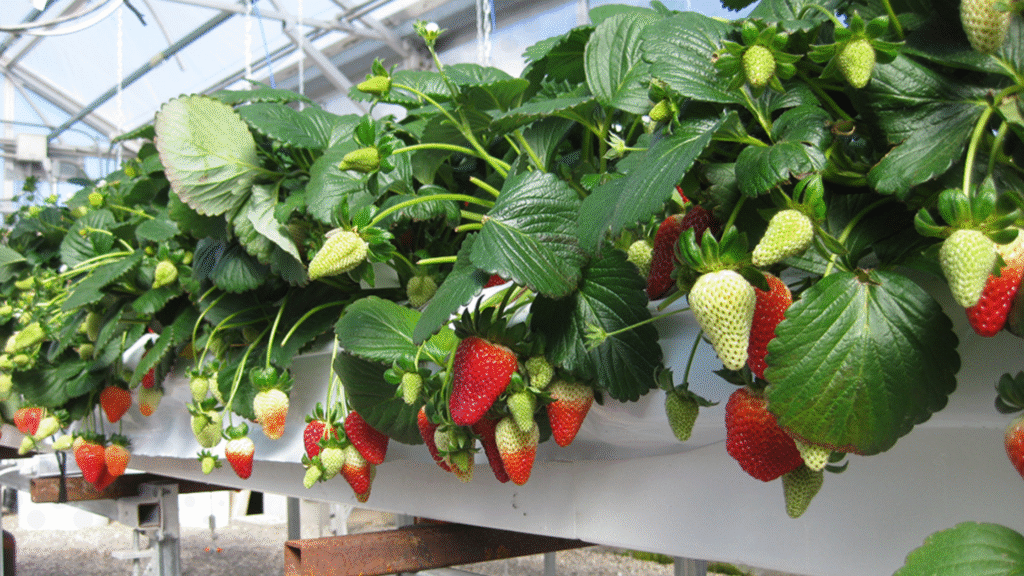 Strawberries have always been a favorite fruit across age groups. Their bright color, sweet taste, and wide kitchen use make them one of the most in-demand berries worldwide. Traditionally, strawberries are grown in soil, but modern growers are now shifting toward hydroponic systems for cleaner fruit, better control, and faster harvests.
Growing strawberries hydroponically may sound complex, but in reality, it is one of the most rewarding fruits to cultivate using water-based methods. With correct care, you can enjoy consistent harvests, cleaner berries, and strong market value.
Why Strawberries Do Well in Hydroponic Systems
Strawberry plants have a  shallow root structure, which makes them ideal for hydroponic cultivation. Since roots do not need to spread deep into soil, they adapt easily to water-based systems.
Hydroponic strawberries offer:
-
Faster growth cycles
-
Cleaner fruit without soil stains
-
Better control over pests
-
Uniform fruit size
-
Extended growing season
This is why many commercial farms and home growers prefer hydroponic strawberries over traditional soil farming.
Choosing the Right Strawberry Variety
Not all strawberry  varieties perform equally in hydroponics. Some are naturally stronger in controlled environments.
Commonly preferred varieties include:
-
Albion
-
Camarosa
-
Chandler
-
Seascape
These varieties are known for good fruit size, balanced sweetness, and steady production in water systems.
Selecting the Best Growing System
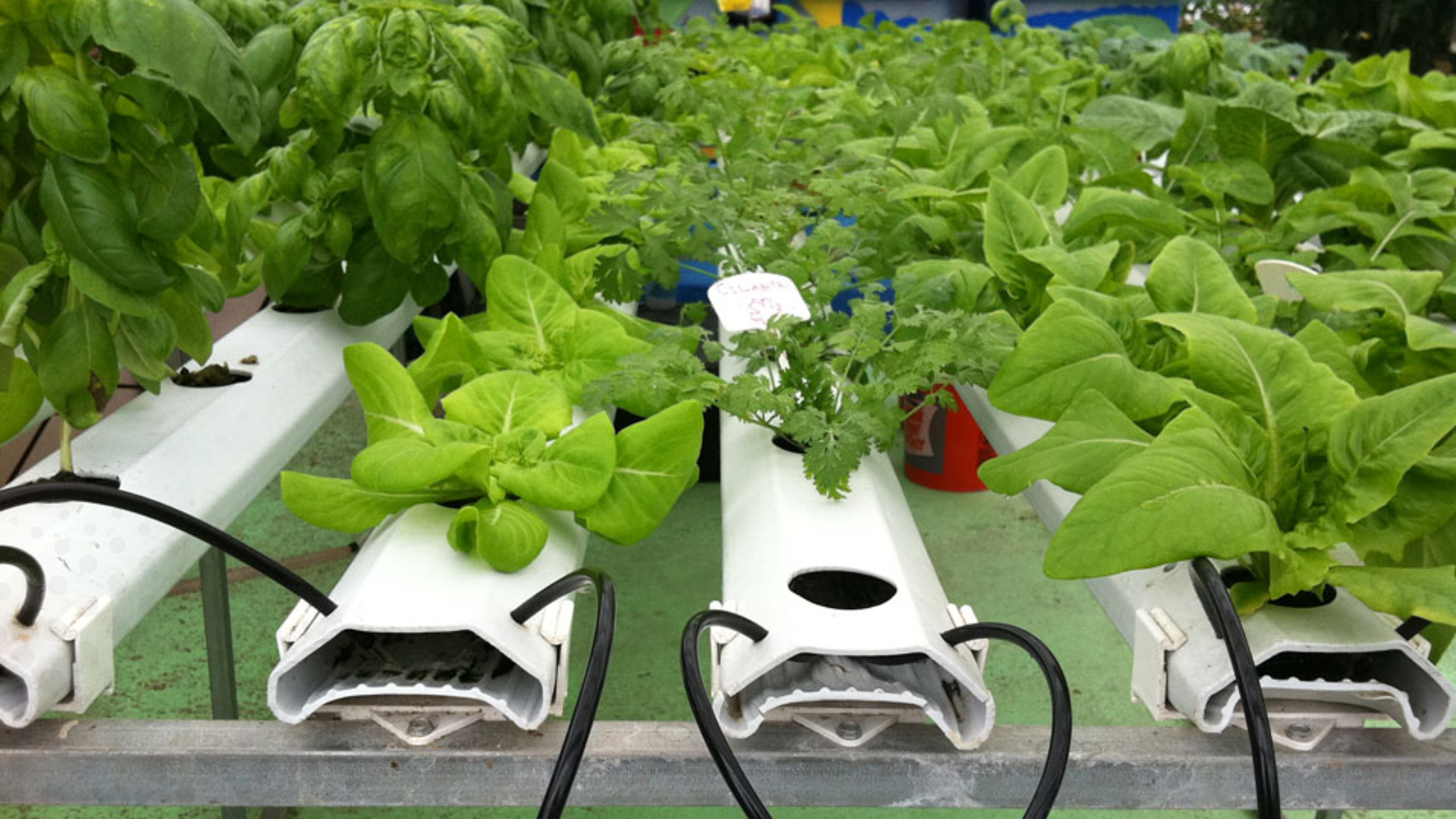
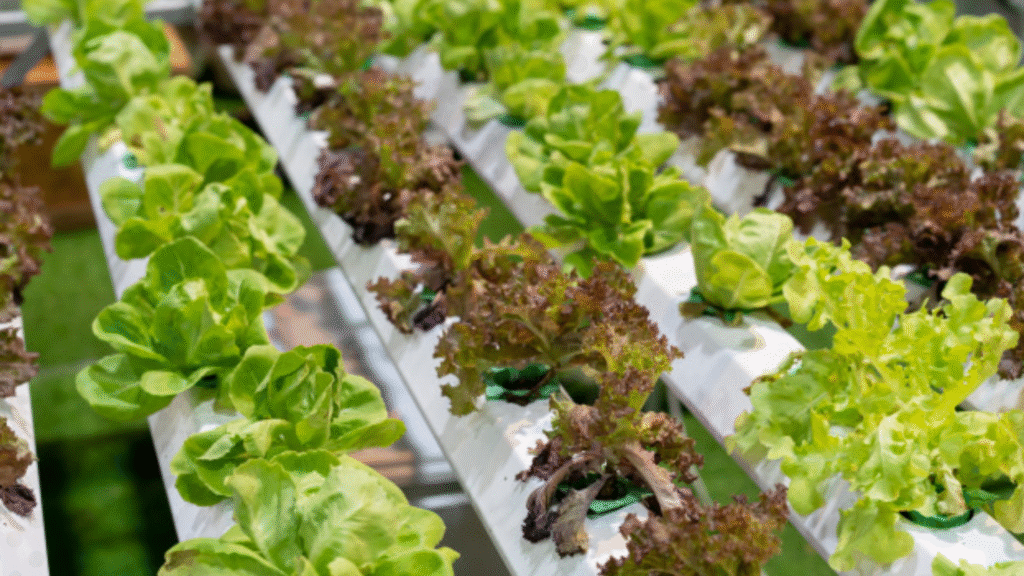 Strawberries grow best in systems that allow good oxygen flow and space for runners. The most suitable systems include:
-
Nutrient Film Technique (NFT)
-
Vertical tower systems
-
Drip irrigation buckets
Vertical systems are especially popular for strawberries because they save space and allow gravity-driven nutrient flow, keeping roots well-oxygenated.
Starting From Seed or Sapling
Strawberries can be  grown from seeds, but most growers prefer using healthy saplings for better success and quicker harvests.
Before placing saplings into the system:
-
Rinse roots gently to remove soil
-
Trim damaged roots if any
-
Place into net pots with coco peat or similar medium
-
Ensure roots touch the nutrient flow
Within a few days, the plants start adjusting to the new environment.
Managing Light for Strong Flowering
Strawberries require 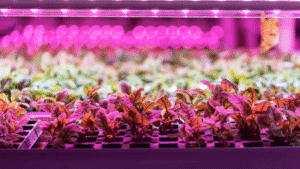 strong light to produce flowers and fruits. Around 12 to 14 hours of light daily is ideal. When grown indoors, full-spectrum LED grow lights are strongly recommended.
Good lighting helps:
-
Trigger flowering
-
Improve fruit size
-
Enhance natural sweetness
-
Maintain leaf color
Without enough light, plants remain leafy but produce limited fruit.
Feeding and Water Management
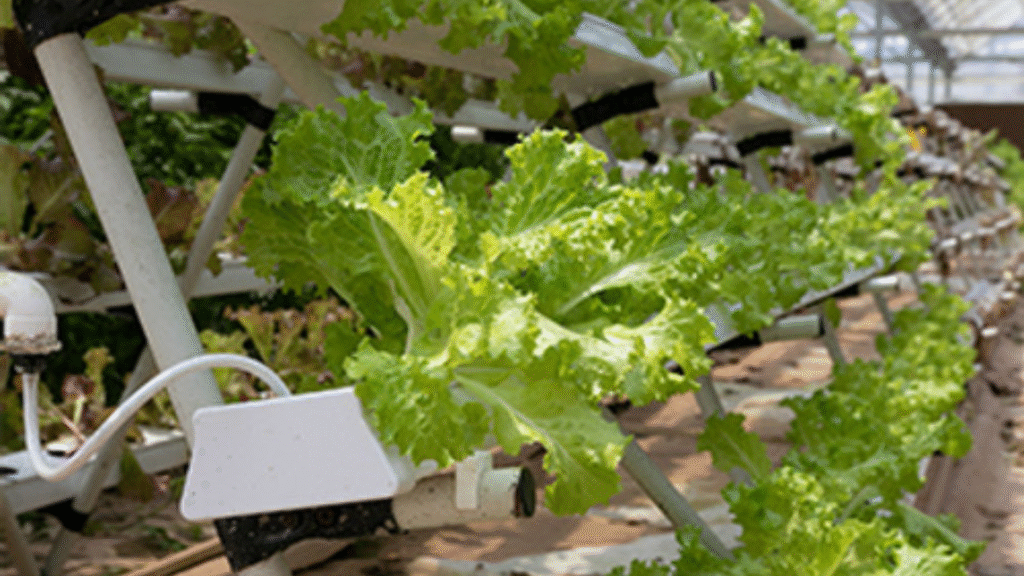 Strawberries are sensitive to nutrient imbalance. They require steady feeding, especially during flowering and fruit development.
Key nutrients needed:
-
Nitrogen for leaf growth
-
Potassium for flowering and sweetness
-
Calcium for fruit firmness
-
Magnesium for color and energy transfer
Always mix nutrients as per instructions and avoid overfeeding. Clean, filtered water gives better long-term results and reduces the risk of root stress.
Pollination Inside Hydroponic Setups
One challenge in indoor 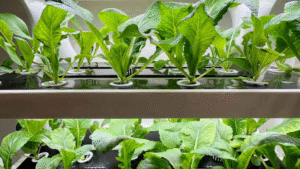 hydroponic strawberry farming is pollination. Since there are no natural bees indoors, pollination must be done manually.
This can be done by:
-
Using a soft brush to move pollen
-
Gently shaking the plants daily
-
Using a small airflow fan near flowers
Proper pollination ensures full-shaped strawberries instead of deformed fruits.
Daily Plant Care and Observation
Hydroponic strawberries 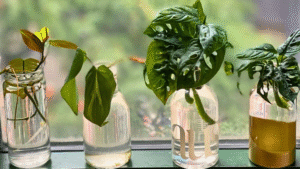 require steady care but not heavy labor. A few minutes of daily observation is enough:
-
Check leaf color
-
Inspect flowers
-
Observe fruit development
-
Monitor water level
-
Ensure pumps are working
Healthy plants show strong upright leaves and bright white flowers before fruit formation begins.
Harvesting Sweet Strawberries at the Right Time
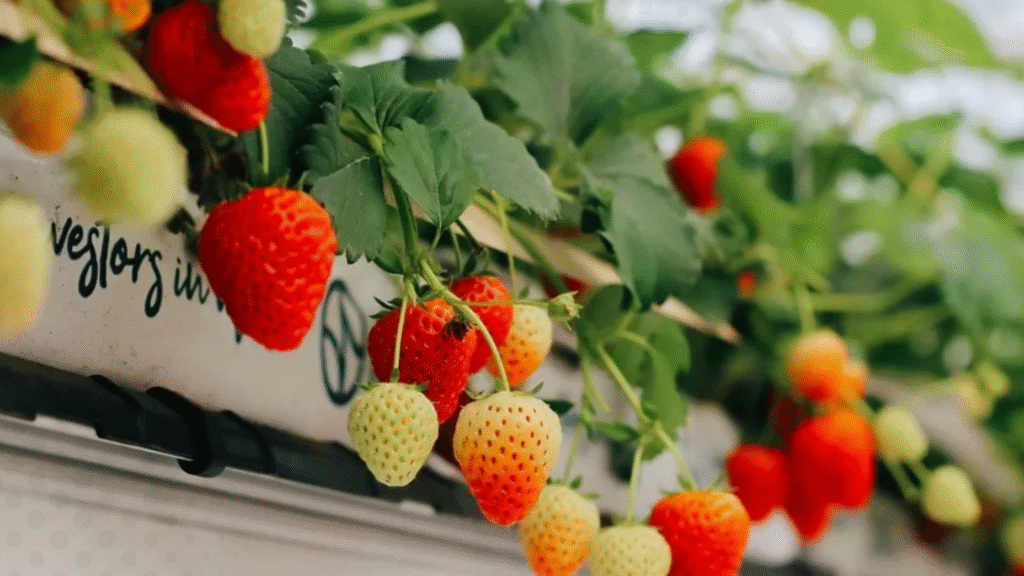 Strawberries should always be harvested when fully red. Unlike some fruits, they do not ripen further after picking.
Follow these harvest tips:
-
Use clean scissors
-
Cut the stem, not the fruit
-
Harvest during cooler hours
-
Avoid stacking freshly picked berries
Proper harvesting keeps the fruit fresh for longer and maintains its natural shine.
Strawberry Demand in Local and Global Trade
Strawberries are counted 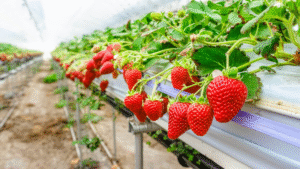 among premium crops due to their short shelf life and high demand. They are used in:
-
Fresh fruit sales
-
Juice industries
-
Cake and bakery processing
-
Frozen dessert production
They also sit proudly alongside all vegetables, indian vegetables, and different fruits in premium retail supply chains when hydroponically grown due to their clean appearance and better keeping quality.
Export Support and the Role of Vipra Overseas
 As the demand for hydroponic produce grows across global markets, strawberries are also joining the export list. Export buyers demand clean, uniformly sized, well-packed berries with proper cold-chain handling.
This is where Vipra Overseas plays a strong role in export support. Vipra Overseas actively exports agro products such as:
-
Fresh fruits
-
Fresh vegetable
-
Beans
-
Frozen products
-
Spices
-
Grains
They assist growers with quality standards, proper packaging, cold storage arrangements, and international shipping. With exhibitors like Vipra Overseas, hydroponic strawberry growers gain an opportunity to reach overseas buyers without managing complex export procedures alone.
Common Mistakes New Growers Should Avoid
 Strawberry plants are productive, but beginners often make mistakes such as:
-
Overwatering roots
-
Using hard water without filtering
-
Skipping pollination
-
Keeping lights too far
-
Allowing runners to overcrowd the system
Correcting these early makes a big difference in fruit quantity and sweetness.
Final Thoughts
Growing strawberries hydroponically is not only possible but highly rewarding for both home growers and commercial farmers. With proper system setup, good light, correct nutrition, and daily care, you can enjoy clean, bright, and sweet strawberries across seasons.
As demand grows locally and internationally, and with export support from trusted partners like Vipra Overseas, hydroponic strawberry farming offers a real opportunity to turn a sweet crop into a steady business venture.