
Hydroponic Farming
A New Way of Growing Without Soil
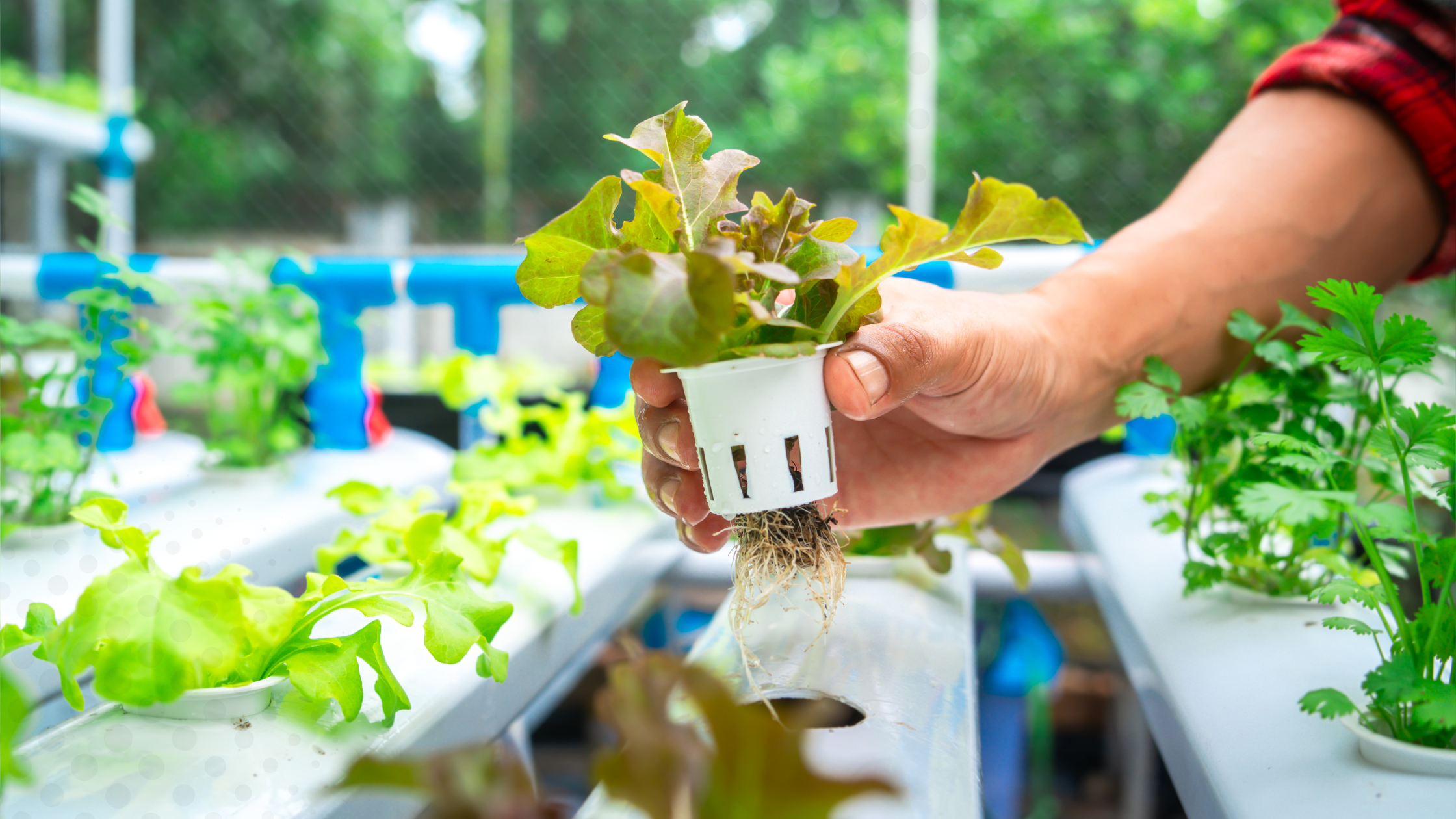 Farming is changing fast. With growing cities, shrinking land, and rising demand for clean food, farmers are looking for smarter ways to grow crops. One method that has quietly transformed food production across the world is hydroponic farming. This system allows plants to grow without soil, using water and nutrients instead. It sounds modern, maybe even futuristic—but its roots go back many decades.
Today, hydroponics is helping farmers grow more food in less space, with better control over quality, and with far less water. From leafy greens to herbs, fruits, and even some vegetables, this method is reshaping how we think about food production.
How the System Actually Works
 In simple terms, hydroponic farming replaces soil with nutrient-rich water. The plant roots sit in this water or in an inert material like coco peat, rock wool, or clay pellets. Since plants don’t need to search for nutrition, they grow faster and more evenly.
The farmer carefully controls:
-
Water flow
-
Nutrient levels
-
Light exposure
-
Temperature and humidity
This control is what makes hydroponics so powerful. Crops can be grown all year round, regardless of weather or soil conditions. Even in crowded cities or dry regions, fresh produce becomes possible.
Why More Farmers Are Turning to This Method
Traditional farming depends heavily on weather, soil health, and large open land. Hydroponic setups  remove many of those limitations. A small shed, rooftop, or greenhouse can turn into a high-yield growing space. Water use is also far lower because the same water is recycled through the system.
Another major advantage is cleanliness. Since there is no soil, there are fewer pests and diseases. This means crops often stay healthier without the heavy use of chemicals.
For consumers, this results in cleaner, fresher, and more consistent food on their plates.
The Quality of Produce Grown in Water-Based Systems
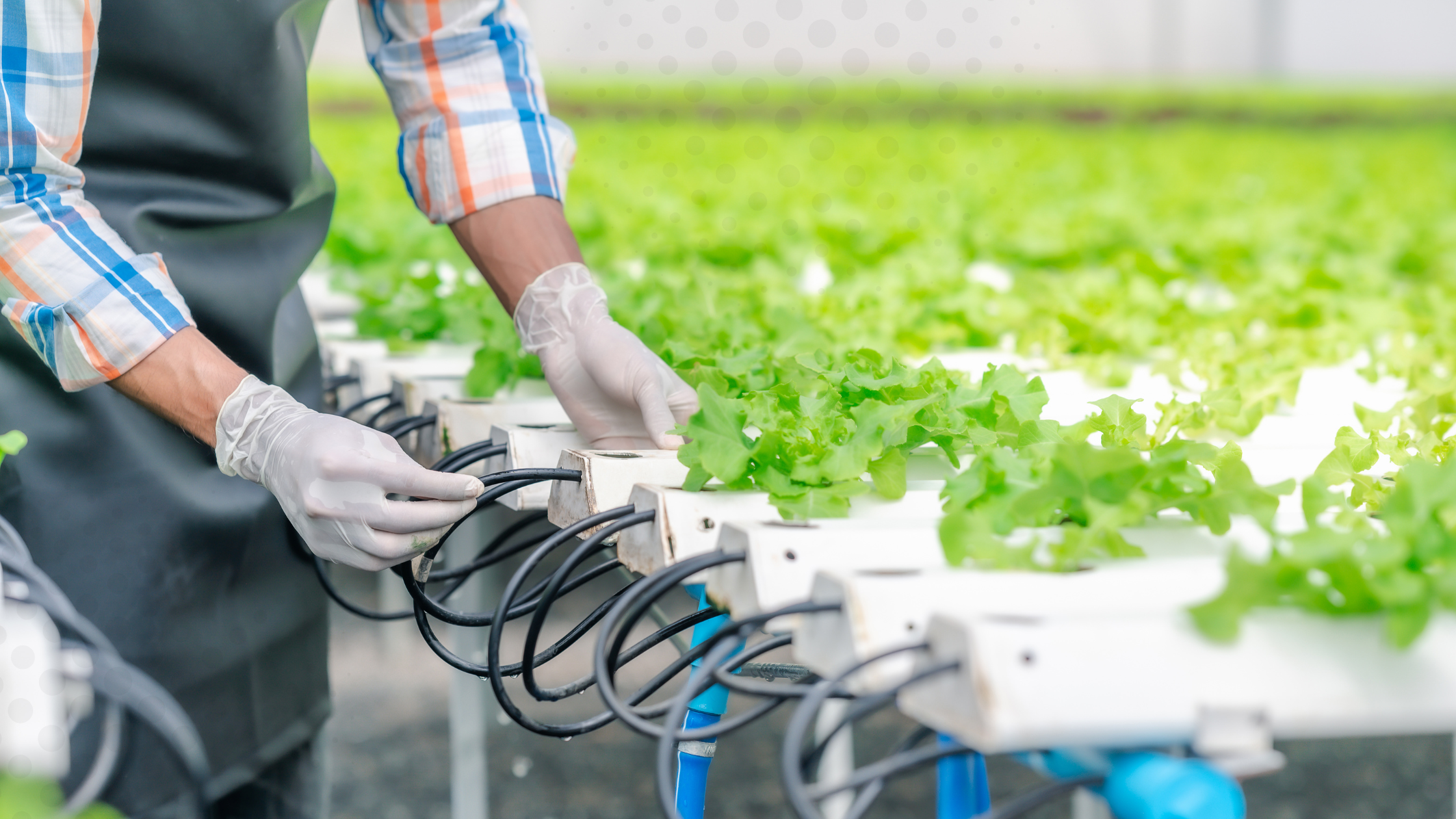 One of the biggest myths is that hydroponic crops lack flavor. In reality, taste depends on how well nutrients and growing conditions are managed. When done correctly, hydroponic vegetables and fruits can be just as flavorful—sometimes even better—than soil-grown crops.
Because the growing environment is controlled, farmers can:
-
Harvest at the right maturity
-
Maintain uniform size and color
-
Reduce contamination risks
This makes hydroponic produce highly suitable for high-quality markets and international trade.
A Strong Step Toward Smarter Food Production
As global food demand rises, farming must become more efficient and responsible. Hydroponics supports the idea of sustainable agriculture by saving water, reducing land pressure, and lowering transport needs when grown near cities. It reduces farm waste and allows continuous production with minimal environmental burden.
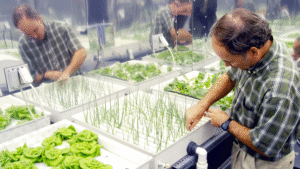 At the same time, since crops grow without chemical-heavy soil treatments, hydroponics also aligns closely with the values of organic farming when managed with natural nutrient solutions and clean practices.
These combined benefits make hydroponics not just a trend, but a long-term answer to food challenges.
What Can Be Grown Using Hydroponics
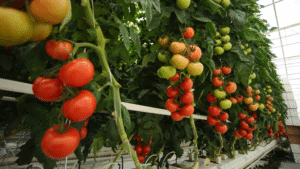 Hydroponic farming supports a wide variety of crops, including:
-
Leafy greens like lettuce, spinach, and kale
-
Fresh herbs such as basil, mint, and coriander
-
Tomatoes, cucumbers, and capsicum
-
Strawberries and some other fruits
-
Beans and selected vine crops
With proper system design, even root vegetables are now being tested successfully.
This wide range adds value to global trade and opens new doors for exporters dealing in agricultural products for premium markets.
Role of Vipra Overseas in the Export Market
 As farming methods become more advanced, the demand for clean, well-packed, and internationally compliant produce is rising. This is where Vipra Overseas plays an important role in the export chain.
Vipra Overseas helps connect growers to global buyers by exporting:
-
Fresh fruits
-
Fresh vegetables
-
Beans
-
Frozen products
-
Spices
-
Grains
By sourcing from reliable farms and following quality standards for grading, packaging, and logistics, Vipra Overseas ensures that produce reaches international markets in its best form. As hydroponic produce gains demand worldwide, exporters like Vipra Overseas help farmers reach better prices and wider visibility.
Is Hydroponic Farming Right for Small Growers?
Many people believe hydroponics is only for large companies. That’s not true anymore. With rising awareness and better access to equipment, even small farmers and young entrepreneurs are setting up compact systems in backyards, rooftops, and 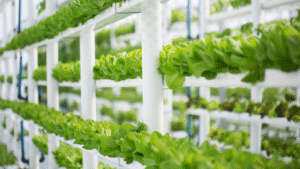 small greenhouses.
The initial setup cost can be higher than soil farming, but long-term benefits often balance it out:
-
Faster crop cycles
-
Better yield per square foot
-
Lower water use
-
Fewer losses due to disease
With proper training and market support, hydroponics can offer a stable income source.
The Road Ahead
India and many other countries are slowly embracing hydroponic farming as part of modern food production. Urban farming projects, restaurant-based growing units, and export-driven farms are leading this shift.
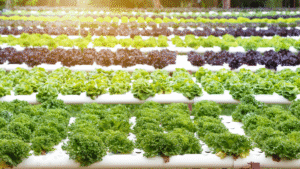 As awareness grows among consumers seeking clean and traceable food, and as exporters expand access to global markets, hydroponics will continue to gain ground. When supported by strong export partners like Vipra Overseas, farmers can move beyond local sales and tap into international demand.
Final Thoughts
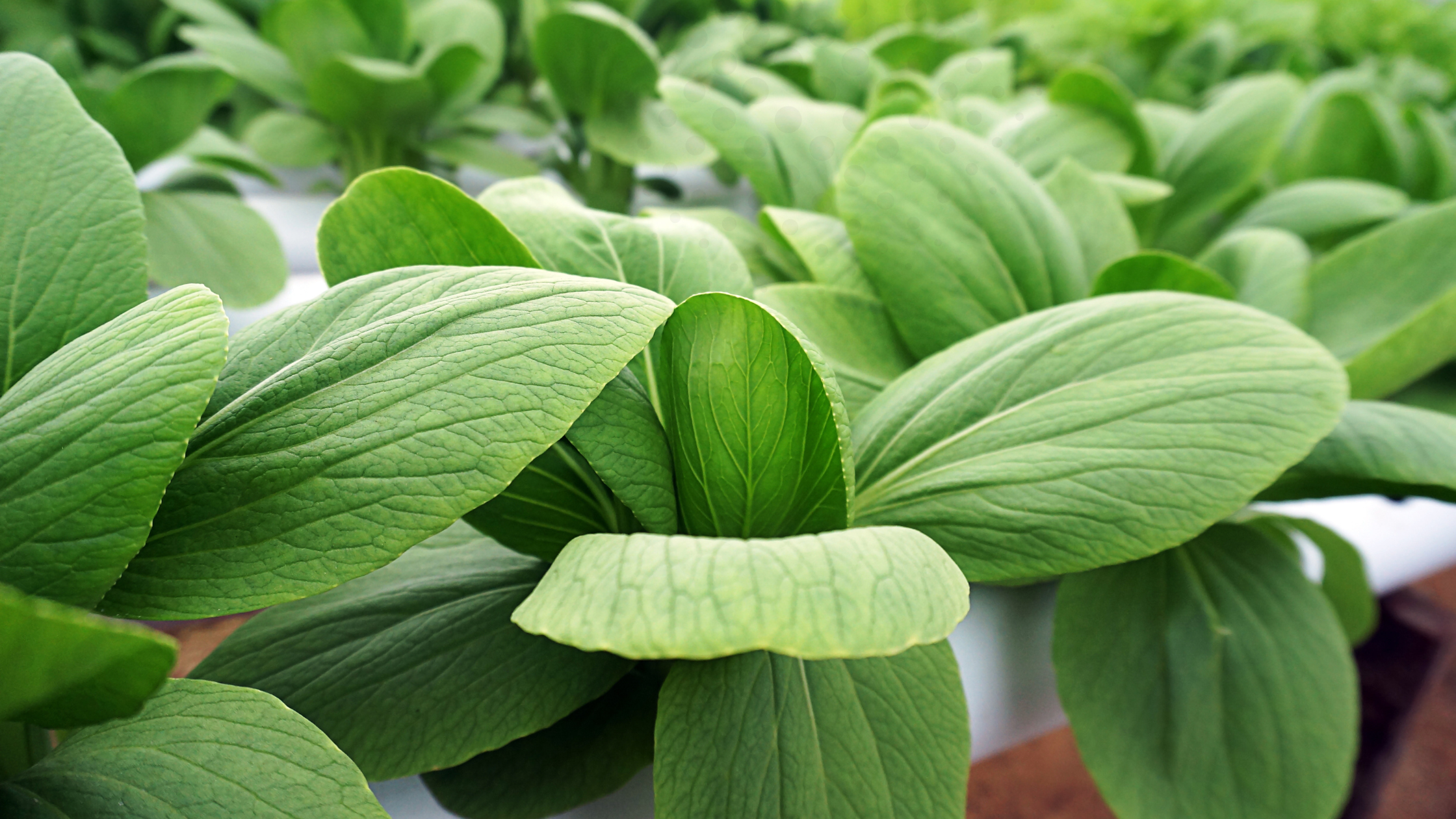 Hydroponic farming is not just about growing plants in water it is about rethinking how food can be produced in a smarter, cleaner, and more controlled way. With steady growth in demand for high-quality fresh produce, this method offers farmers better control, better yields, and better market value.
As the supply chain strengthens through trusted exporters and modern logistics, hydroponics is proving that the future of farming doesn’t always need land it just needs the right balance of water, light, and care.