
Clearing the Confusion Around Soil-Free Farming
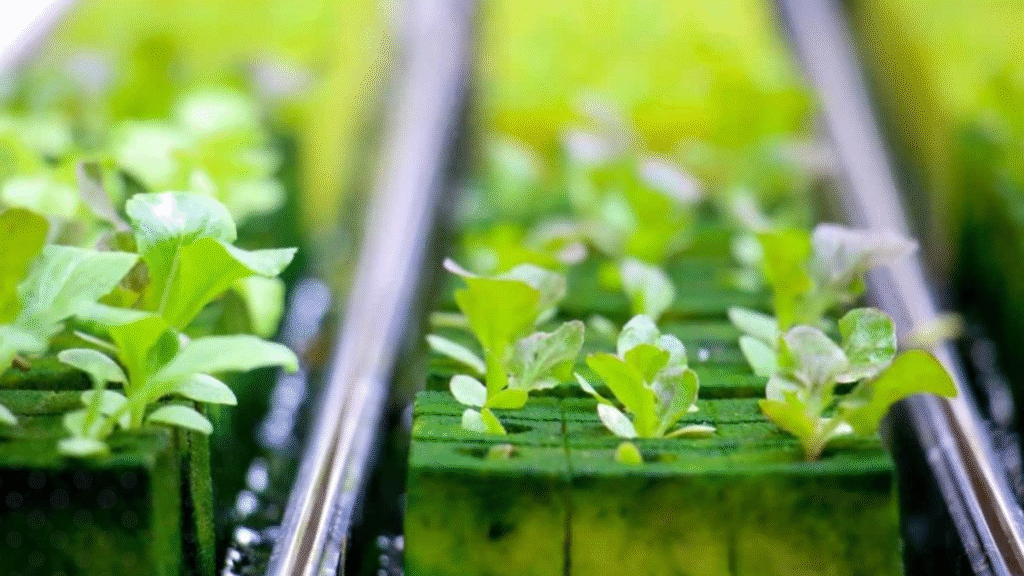 Hydroponic farming is gaining attention across the world, but along with interest comes confusion. Many people still hesitate to accept this method because of outdated beliefs or half-true information. These myths often prevent farmers, investors, and even consumers from understanding the real value of hydroponics.
In reality, hydroponic systems are already producing clean, reliable food for homes, restaurants, supermarkets, and export markets. Let’s break down the most common myths and look at the truth behind them.
Myth 1: Plants Cannot Grow Properly Without Soil
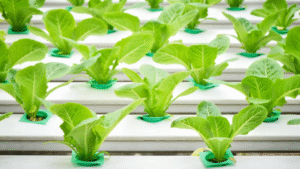 This is the most common misconception. Soil itself does not feed plants; nutrients do. In hydroponics, plants receive nutrients directly through water, making them more accessible to roots. As a result, plants often grow faster and healthier than in soil.
Myth 2: Hydroponic Food Is Not Natural
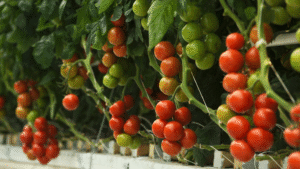 Many people believe hydroponic crops are artificial. In reality, plants grow using the same basic elements—water, minerals, light, and air. The only difference is that nutrients are delivered in a controlled way. No genetic modification is involved in standard hydroponic farming.
Myth 3: Hydroponic Farming Is Only for Leafy Greens
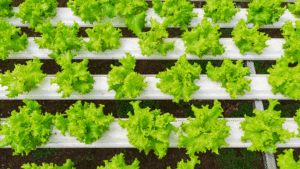 While lettuce and herbs are popular hydroponic crops, they are not the only ones. Tomatoes, cucumbers, strawberries, peppers, beans, and even root crops can be grown successfully using the right system. Modern farms now grow a wide range of fruits and vegetables using hydroponics.
Myth 4: Hydroponics Is Too Expensive for Farmers
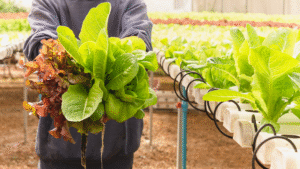 The initial setup may cost more than traditional farming, but long-term savings balance it out. Water use is lower, crop loss is reduced, and yields are higher per square meter. Over time, hydroponic systems often become more economical than open-field farming.
Myth 5: Hydroponic Crops Have No Taste
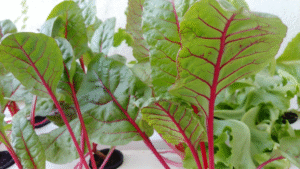 Taste depends on nutrient balance, light, and harvest timing—not soil. When nutrients are managed properly, hydroponic produce can taste just as good, and sometimes better, than soil-grown crops. Many chefs prefer hydroponic produce because of its consistent flavor.
Myth 6: Hydroponics Requires Constant Technical Skills
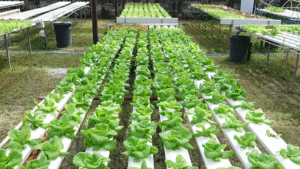 While hydroponics uses technology, it does not require advanced technical knowledge. Many systems are automated and user-friendly. Once the setup is understood, daily maintenance takes only a small amount of time and effort.
Myth 7: Hydroponic Farming Is Not Environment-Friendly
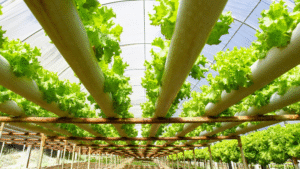 Hydroponics actually reduces environmental pressure. It uses less water, avoids soil erosion, and minimizes chemical runoff. Since crops can be grown closer to cities, transportation emissions are also reduced. This makes hydroponics one of the more responsible farming approaches today.
Myth 8: Hydroponics Is Not Suitable for Large-Scale Farming
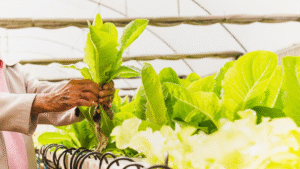 This belief is outdated. Many commercial greenhouses and vertical farms operate at large scale using hydroponics. These farms supply supermarkets, hotels, and exporters regularly. The system is scalable and adaptable to both small and large operations.
Myth 9: Hydroponic Produce Cannot Be Stored or Exported
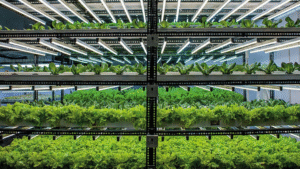 On the contrary, hydroponic produce often has a longer shelf life because it is cleaner and less damaged during harvesting. This makes it suitable for cold storage, processing, and export. Hydroponic crops are already part of global supply chains involving frozen fruits & vegetables.
Myth 10: Hydroponics Is Just a Trend
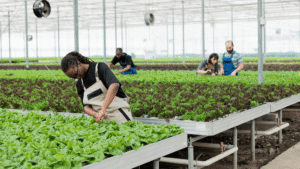 Hydroponics is not a short-term idea. It is a response to real challenges such as water scarcity, land shortage, and rising food demand. Governments, agricultural institutes, and private companies continue to invest in hydroponics because it offers long-term stability.
How These Myths Affect Market Understanding
False beliefs often slow down adoption and investment. When myths are cleared, farmers begin to see hydroponics 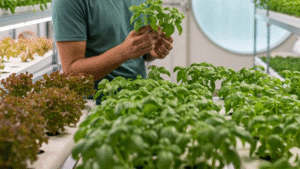 as a practical business opportunity rather than a risky experiment. Clean, uniform produce produced through hydroponics also builds trust with buyers dealing in fruits vegetables and premium fresh categories.
Hydroponics has already become an important tool for any vegetables exporter focused on quality and consistency.
Export Growth and the Role of Vipra Overseas
 As hydroponic produce becomes more accepted globally, reliable export partners play a crucial role. This is where Vipra Overseas supports farmers and producers by exporting agro products such as:
-
Fresh fruits
-
Fresh vegetable
-
Beans
-
Frozen products
-
Spices
-
Grains
Vipra Overseas manages quality standards, packaging, cold-chain logistics, and export documentation. Their experience helps hydroponic growers confidently enter international markets without handling complex trade processes alone.
Why Understanding the Truth Matters
When farmers and consumers understand hydroponics correctly, they make better decisions. Farmers adopt smarter growing methods, while buyers gain access to cleaner, safer produce. Removing myths allows agriculture to move forward with innovation rather than fear.
Final Thoughts
Hydroponic farming systems are often misunderstood, but facts tell a different story. They support efficient water use, cleaner produce, better yield, and export-ready quality. As food demand grows and farming conditions become more challenging, hydroponics offers a reliable solution.
With growing global acceptance and strong export support from companies like Vipra Overseas, hydroponic farming is not just the future—it is already part of today’s agricultural reality.